February 26, 2026 · 8 mins read
Santosh Kumar
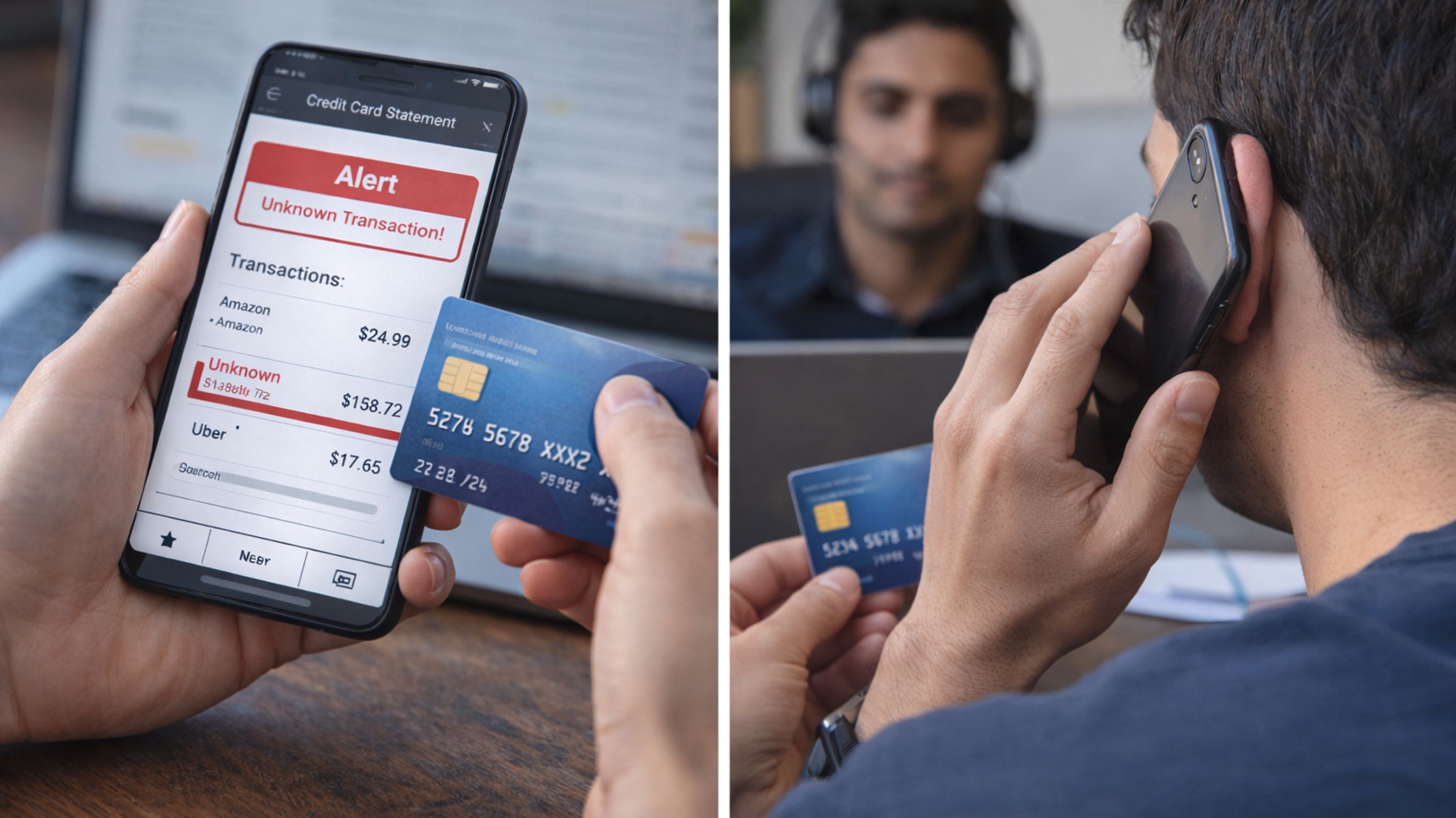
Finding an unexpected transaction on your credit card statement can be unsettling and cause unnecessary stress. Due to the increase in use of digital payments, online shopping& contactless payment options; there has been an increase in unauthorized usage of credit cards. While credit cards provide convenience and flexibility in terms of finances; they must also be monitored constantly to track your activity to help minimize fraud and/or loss of funds.

While an unknown transaction could potentially be a case of fraud; they need to be examined closely before you assume anything. There are many reasons that you might encounter an unknown charge that may not involve fraudulent activity (i.e., billing errors, subscription payments that you have simply forgotten about or were clicked as a default option, name mismatches from your credit card merchant the cardholder used from when they made the purchase, etc.). You can take immediate action and understand what has happened with that unknown transaction to help lessen the amount of hurt/inconvenience you may experience in regards to losing money and ensuring your identity is protected while maintaining your credit profile.
The initial step after observing a suspicious charge is to confirm the information. Verify the transaction date, amount and merchant name to determine if the charge is truly unauthorised. And every once in a while companies have another name behind-the-scenes it trades under, which will confuse the hell out of you.

You should also scan recent buys, subscriptions, and auto-payments that may have hit your card. It’s also useful to look up if a family member or approved user has made the purchase. Checking it out defuses an unnecessary alarm and gets you taking action.
Most of these mysterious purchases relate to recurring fees such as streaming services, software, and subscription services, or they appear as an automatic renewals. Reviewing your purchase receipt and/or e-mail would help you identify where the charge originated.
You may also have a transaction that was recently processed, so that it has the appearance of coming from an alien country. This is why checking your email, online accounts and/or electronic confirmations that you received are essential in verifying if the charge is legitimate.
Also Read: How a ₹2,000 FD Credit Card Helps Build Your CIBIL Score Fast
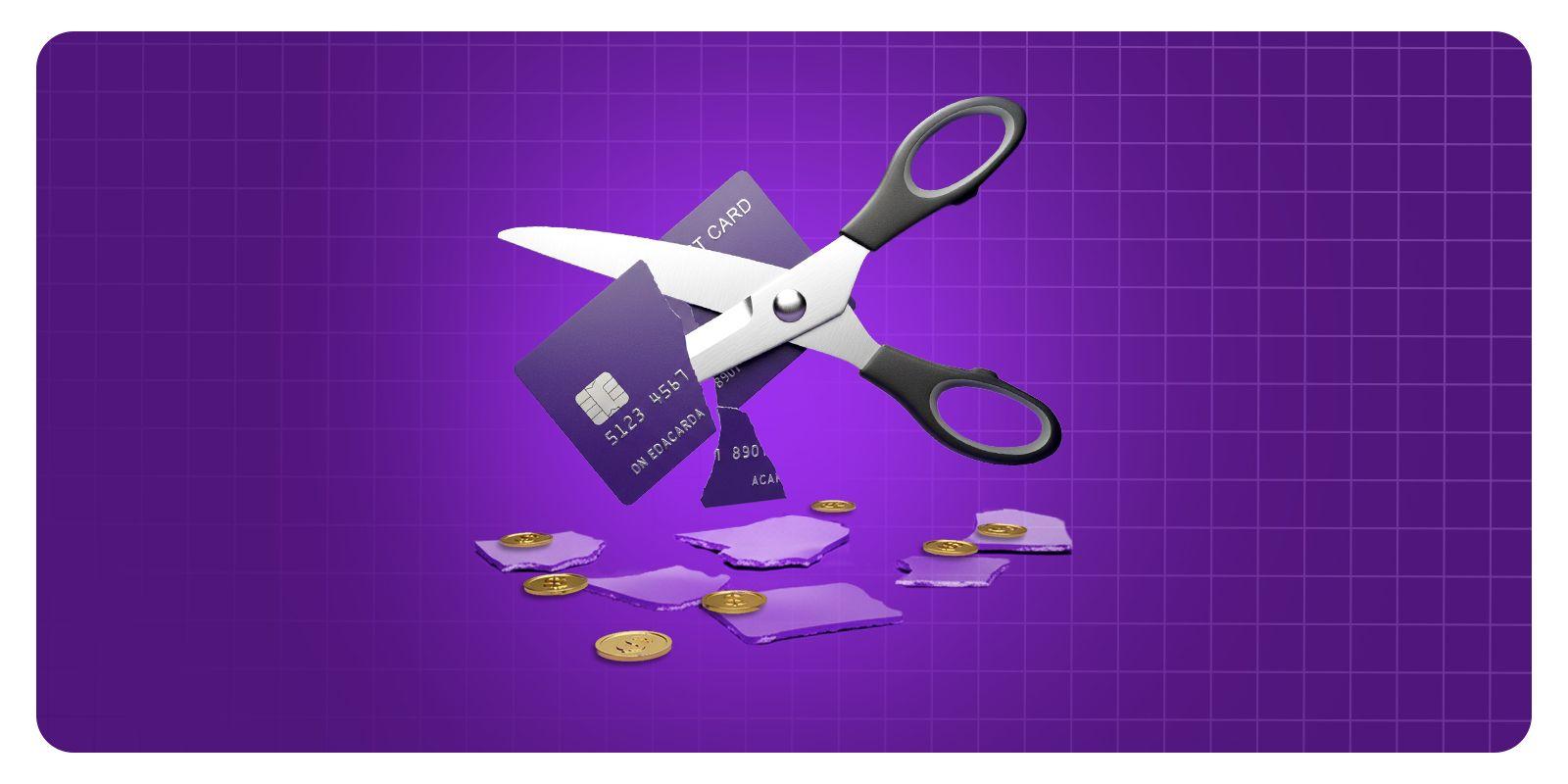
If you verify that the transaction is unathorised, block or freeze your credit card immediately. Most banks also allow you to freeze cards via mobile or internet banking, or through customer care.
We block the card to prevent any further unauthorised transactions and protect your available credit limit. A number of banks even provide partial freeze options, where you can temporarily turn off transactions while you’re looking into the problem.
Also Read: Best Credit Cards In India You Can Get On A ₹2,000 FD (2026 List)
Now, notify your bank or card issuer.
After saving your card, notify the suspicious charge to your bank or credit card provider. Include information like the transaction amount, date and merchant to get the ball rolling on the investigation.
Banks usually file a dispute and initiate chargeback investigation. They might offer a provisional credit during the investigation, too, based on their policies. Early reporting increases the likelihood of retrieval to the amount and minimizes your liability.
All banks have a process to dispute unauthorized transactions. Usually, there will be a dispute form or a written complaint to fill in to provide a description of what happened to you.
A bank will examine transaction history, authentication, and merchant information in order to make a decision. If the investigation documents that fraud or error has taken place, the transaction in question may be reversed or refunded.
Also Read: What Is GSTIN? Format, Structure, and Meaning Explained
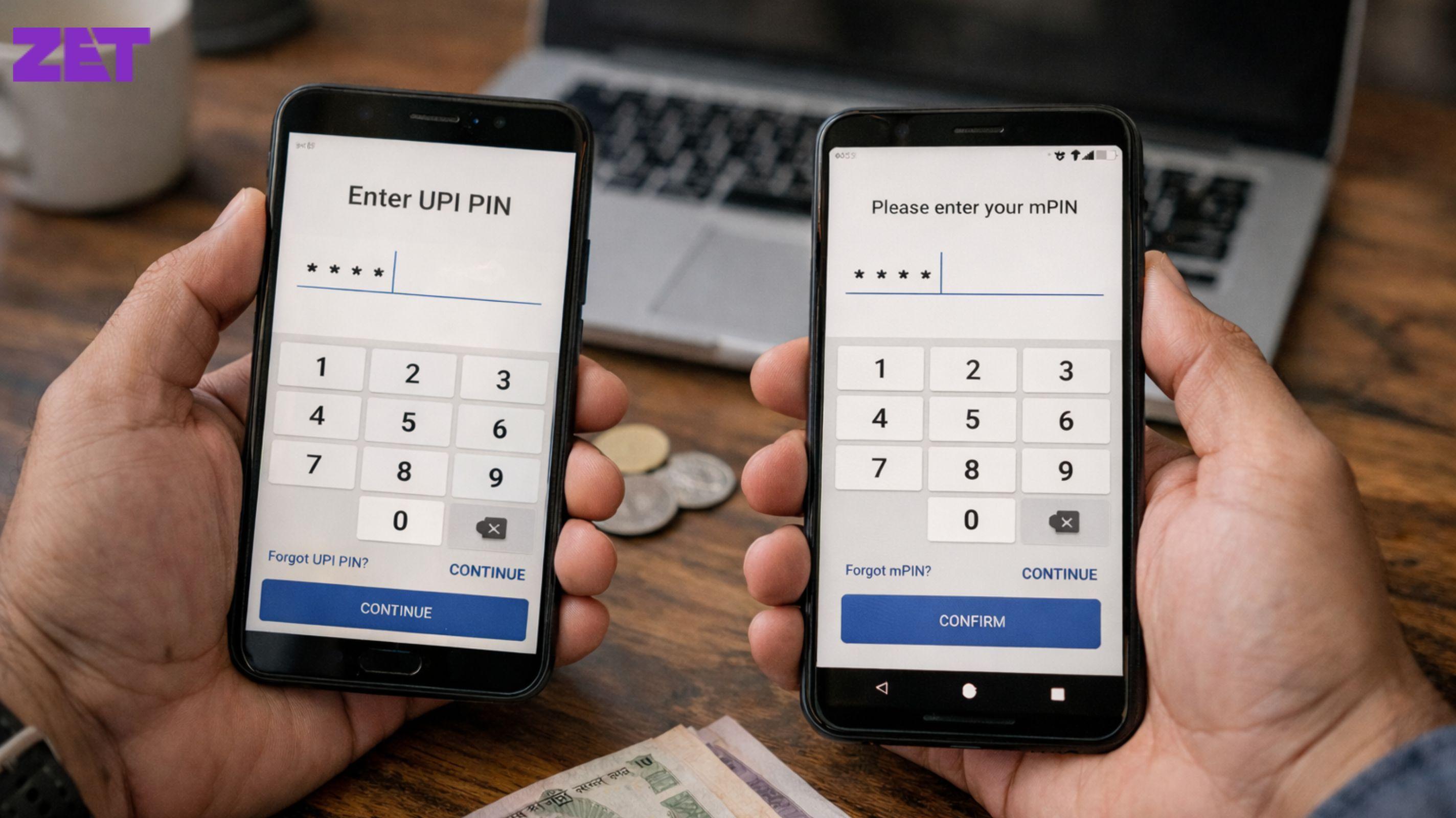
Unauthorised transactions can also be a sign that your card details or personal details have been compromised. To tighten your security, switch up your credit card pin and internet banking password, and other financial account info.
Employ robust passwords which mix letters, numbers and symbols. Don’t use obvious information like birthdays or phone numbers and change them often to minimize hazard.
Keep an eye out for suspicious activity in your credit card account after reporting your transaction. If a fraudster has access to your credit card information, they may attempt multiple transactions using your card information.
Regularly checking your account gives you an opportunity to quickly identify any new issues that may arise and to ensure that you do not incur any unauthorized charges. If your credit card company has that capability, turn on text or email alerts for your transactions to keep yourself updated about the use of your card in real time.
Also Read: Annual Fee vs Lifetime Free Cards
Sometimes unfamiliar charges can be connected to identity theft or misuse of your information. You should check your credit report to make sure no unauthorised accounts or loans have been opened in your name.
Once your card is blocked, your bank typically sends you a replacement credit card with a new number and security features. Initiate your new card only after receiving it safely.
Don’t save your card details on untrusted sites and amend payment info only on secure sites.
Also Read: Credit Card Renewal & Replacement
Keep a record of all your communication with your bank, complaint reference numbers/emails/acknowledgements. Such logs assist in monitoring the investigation, and provide evidence if escalation is necessary.
Good documentation keeps things clear and healthy for your side of the argument if a dispute arises.
Unknown transactions can be due to phishing attacks, data breaches, card skimming or unsecure online transactions. Fraudsters can swipe card data via spoof websites, malware links or hijacked payment systems.
By being aware of these risks you can begin to implement safer habits when it comes to your money and mitigate your risk for future occurrences.
Stopping unauthorised transactions takes ongoing effort — and good security. Do not share card details, PINs or OTPs with anyone. Pay on secure networks and never on publicly-accessible Wi-Fi.
Consistently monitoring your account statements, activating transaction alerts and utilizing virtual cards for online transactions can provide increased security. Safe also smart is a great way to minimize credit card fraud.
Also Read: Types of GST Registration in India
Unearthing a surprise charge can put your anxiety and your wallet into a tailspin. But taking early action and doing the right things does help rebuild trust and limit the damage.
Banks offer protections and dispute processes to help customers. Keeping a level head and moving fast is best.
Timely action in response to a questionable or concerning charge(s) on your credit card, includes immediate, thoughtful action steps: confirm the purchase(s), cancel your credit card, make a report, and monitor your accounts for any unauthorized transactions. You can reduce your chance of losing money and create a positive credit report by being timely and responsible with your payment(s). By staying alert and practicing strong security measures, you can protect your credit card and prevent the occurrence of unauthorized transactions in the future.
Make sure to check the transaction details for evidence of any mistakes, and if there is no evidence, block your card immediately.
It's recommended to contact your bank as soon as you find the charge to limit the rate the card could be used fraudulently and to limit the amount you might be responsible for.
Typically, the bank will refund/reverse the charge if it can confirm that it is a fraudulent transaction.
If there are charges on your credit card that do not get paid (because they are fraudulent), that could have an adverse affect on your credit utilization and consequently your credit score.
You are recommended to change your passwords and any related PIN numbers to enhance security and prevent future incidences of fraud on your credit card account.
While someone who steals the number and uses it online will not need my card (physical) to use the number online, they may need a physical card to use the card electronically (e.g., for gas).



Contact

care@zetapp.in
Social


Build and Maintain a 750+ Credit Score