December 16, 2024 · 9 mins read
Santosh Kumar

Just as physical and emotional well-being are important for a healthy life, credit health plays an important role in managing your finances. A strong credit profile can make it easier to access loans or credit cards when unexpected financial emergencies arise. Since financial needs can arise without warning, maintaining good credit health can help you stay better prepared.
Your credit score is one of the key indicators of your credit health. Credit bureaus assess your score based on factors such as your past credit history and repayment behaviour. Among these bureaus, CIBIL is one of the major credit bureaus that lenders consider when evaluating a borrower's creditworthiness.
In this article, we’ll explain what a CIBIL score is, how it is calculated, how you can check your CIBIL score without a mobile number, and the practical steps you can take to improve it.
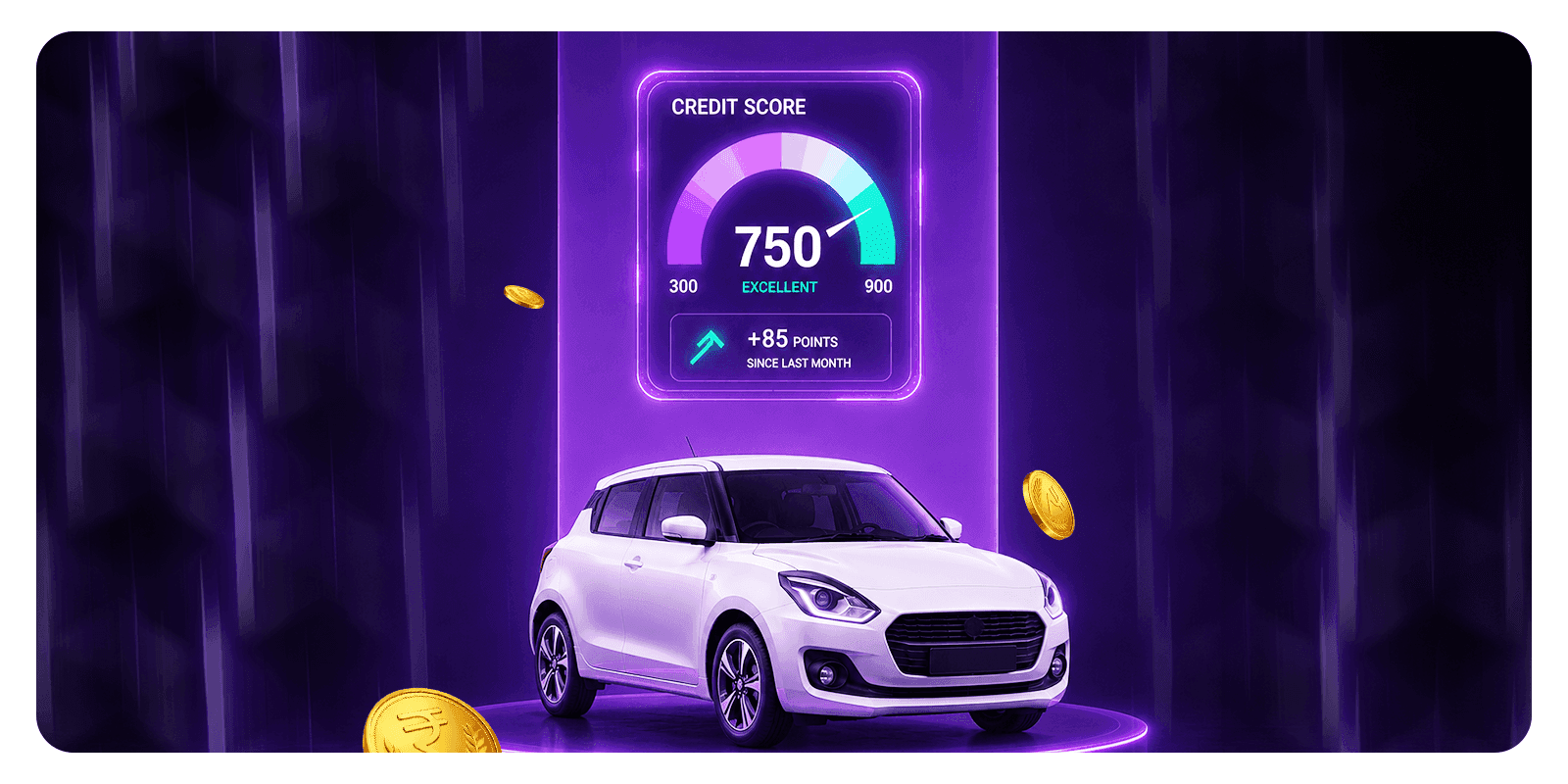
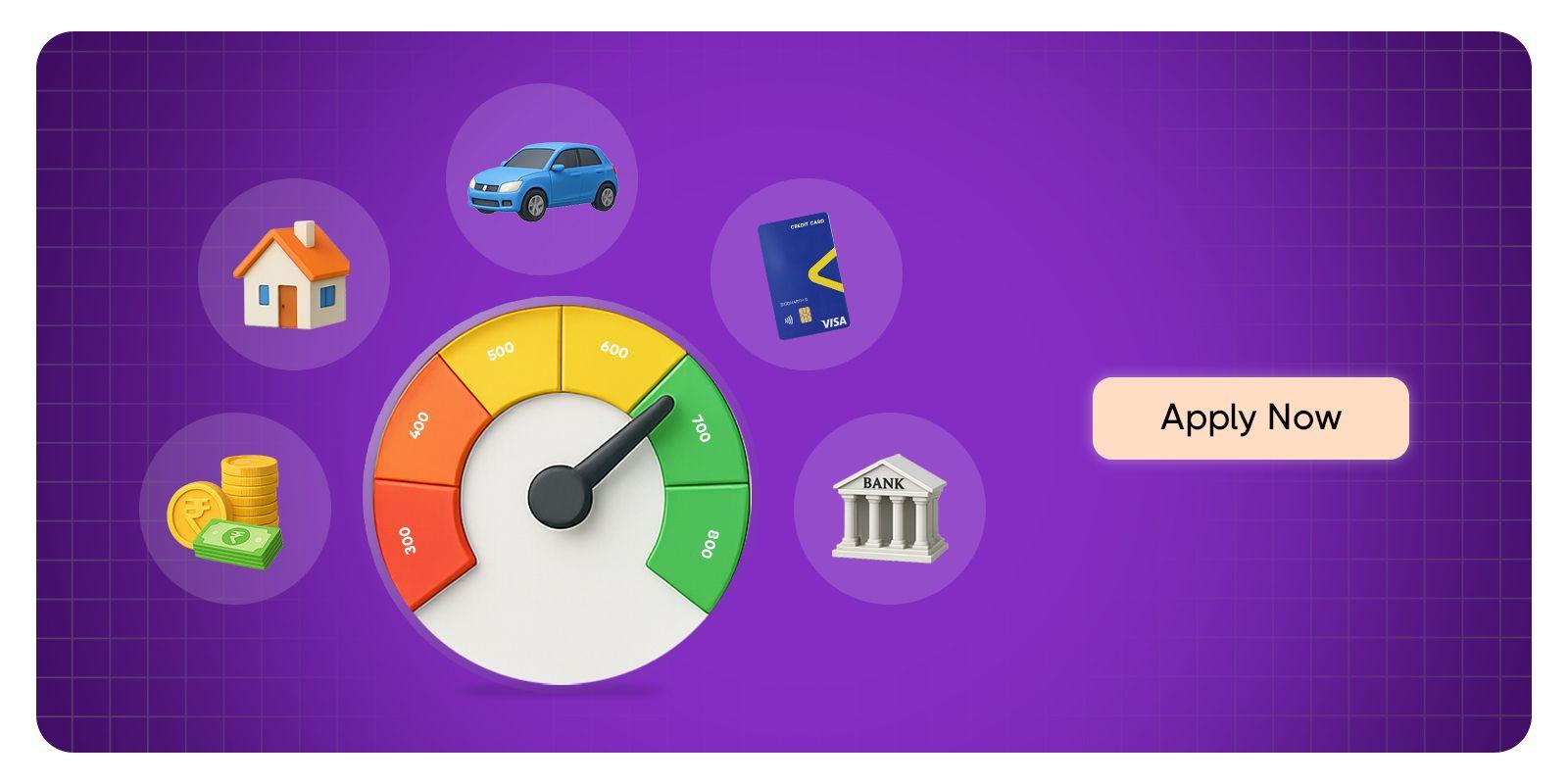
A CIBIL score ranges from 300 to 900 and reflects an individual's credit history and repayment behaviour. Generally, a higher credit score indicates a stronger credit profile and may improve your chances of getting loans and credit cards approved. A lower score, on the other hand, may make lenders view you as a higher-risk borrower, which can affect your chances of getting credit or the terms offered to you.
Here is a general overview of different CIBIL score ranges:
| CIBIL Score Range | Where You Stand | What It May Indicate | | ----- | ----- | ----- | | 750–900 | Excellent | Indicates a strong credit history and consistent repayment behaviour. You may have better chances of qualifying for credit products and negotiating favourable terms. | | 650–750 | Good | Generally reflects a good credit history and may make it easier to qualify for loans and other credit products. | | 550–650 | Average | May indicate delayed or missed payments or other factors that have affected your credit history. Loan approval may be more difficult, and lenders may offer less favourable terms. | | 300–550 | Poor | Indicates significant issues in your credit history and may result in lenders considering you a higher-risk borrower. Your application may be rejected or additional security may be required. |
These ranges are only a general reference. Lenders may use their own eligibility criteria and credit score thresholds when evaluating applications.
When you perform a CIBIL score check online, many platforms, including credit-report services, may ask for your registered mobile number. This is primarily related to identity verification and account security.
Some common reasons include:
1. Identity verification: Your mobile number may be linked to your financial accounts and KYC details. An OTP (One-Time Password) can help verify that the person requesting the credit report is authorised to access it.
2. Fraud prevention: Mobile-based verification adds an additional layer of security and helps prevent unauthorised access to sensitive credit information.
3. Updates and alerts: Some platforms may use your registered mobile number to send alerts about changes to your credit profile, account activity, or other relevant notifications.
However, this OTP-based process can become inconvenient if your registered mobile number is inactive, lost, or no longer accessible. In such cases, you may look for alternatives to check your CIBIL score without a mobile number.
It may be possible to access your CIBIL score without your registered mobile number, depending on the platform and verification options available. Some services may offer alternative methods of identity verification using details such as your PAN, email address, or other information linked to your credit history.
Certain banking platforms or financial services may also provide access to your credit score or credit report through their own verification processes.
If you no longer have access to your registered mobile number, check the verification options provided by the relevant platform. You may need to complete additional identity-verification steps before accessing your CIBIL score check online.
Some platforms may offer alternative verification using your PAN, date of birth, email address and other personal details.
A typical process may involve:
1. Visit the relevant credit-score provider's website.
2. Select the option to check your credit score.
3. Enter your PAN and other required personal details.
4. Provide your email address for verification, if supported.
5. Complete the required authentication.
6. Access your credit score and credit report.
The exact steps may differ depending on the platform and its current verification process.
Some banks provide credit score or credit health services through their net banking platforms.
If this facility is available, you can:
Since you are already authenticated through your banking login, a separate mobile OTP may not always be required. However, this depends on the bank's verification process.
If online verification is not possible, you may be able to request your credit report through an offline process.
This can involve submitting an application along with valid identity documents such as a PAN card, passport, voter ID or driving licence. The request is then processed after your identity details are verified.
Offline processing may take longer than online verification, so it can be considered when digital verification is not convenient or available.
Regularly checking your credit score helps you understand your current credit standing and identify potential issues in your credit history.
A credit report can help you spot:
Identifying such issues early gives you an opportunity to raise a dispute and get the information reviewed.
Checking your own CIBIL score does not generally reduce your score because it is considered a soft enquiry rather than a lender-initiated hard enquiry.
For a regular CIBIL score check online, you can use the official CIBIL platform or another authorised service that provides access to credit information.
The general process involves:
1. Visit the relevant credit-report provider's website.
2. Select the option to access your credit score.
3. Enter the required personal and KYC details.
4. Complete the identity verification process.
5. Choose an applicable plan, if required.
6. Access your CIBIL score and credit report.
The exact registration, authentication and payment requirements may vary depending on the service you use. The source material notes that CIBIL registration can involve details such as PAN, email ID, date of birth and other personal information.
Checking your CIBIL score is only the first step. You also need to follow responsible credit practices to maintain a healthy credit profile.
1. Pay Your EMIs and Credit Card Bills on Time
Missed or delayed payments can negatively affect your credit history. Set reminders or automate payments wherever possible so that you don't miss your due dates.
2. Keep Credit Utilisation Under Control
Avoid using your entire available credit limit regularly. The source recommends keeping credit utilisation around 30% as a general practice.
3. Avoid Multiple Credit Applications
Applying for several loans or credit cards within a short period can result in multiple hard enquiries on your credit profile. Check your eligibility and credit score before applying for new credit products.
4. Maintain Older Credit Accounts Responsibly
An older credit account with a consistent repayment history can contribute to your overall credit profile. Before closing an old account, consider how it may affect your existing credit history and available credit.
5. Monitor Your Credit Report Regularly
Review your credit report periodically to identify errors, unfamiliar accounts or incorrect payment information. Raising discrepancies early can help prevent them from affecting your credit profile for longer.
A healthy credit score can make it easier to access credit when you need it. Regularly checking your CIBIL score and credit report can help you understand your credit standing and identify errors in your credit history.
If you do not have access to your registered mobile number, alternative verification methods may be available, including email and PAN-based verification, bank net banking or offline requests. The options available will depend on the service provider's current verification process.
More importantly, focus on timely repayments, responsible credit utilisation and regular monitoring of your credit history. These habits can help you build and maintain a healthier credit profile over time.
1. Can I check my CIBIL score without a mobile number?
Yes, depending on the platform's available verification methods. Options may include email and PAN-based verification, bank net banking or offline verification.
2. Can I check my CIBIL score for free?
The availability of a free CIBIL score check depends on the service and plan. The source mentions the option of checking the score for free once a year.
3. Does checking my CIBIL score affect my credit score?
Checking your own credit score is generally treated as a soft enquiry and does not lower your credit score.
4. How can I correct an error in my CIBIL report?
If you find incorrect information in your credit report, you can raise a dispute through the CIBIL portal and provide supporting documents where required.
5. What documents can be used for identity verification?
Depending on the verification method, documents such as a PAN card, passport, voter ID, Aadhaar card or driving licence may be accepted.



Contact

care@zetapp.in
Social


Build and Maintain a 750+ Credit Score