March 11, 2026 · 5 mins read
Santosh Kumar

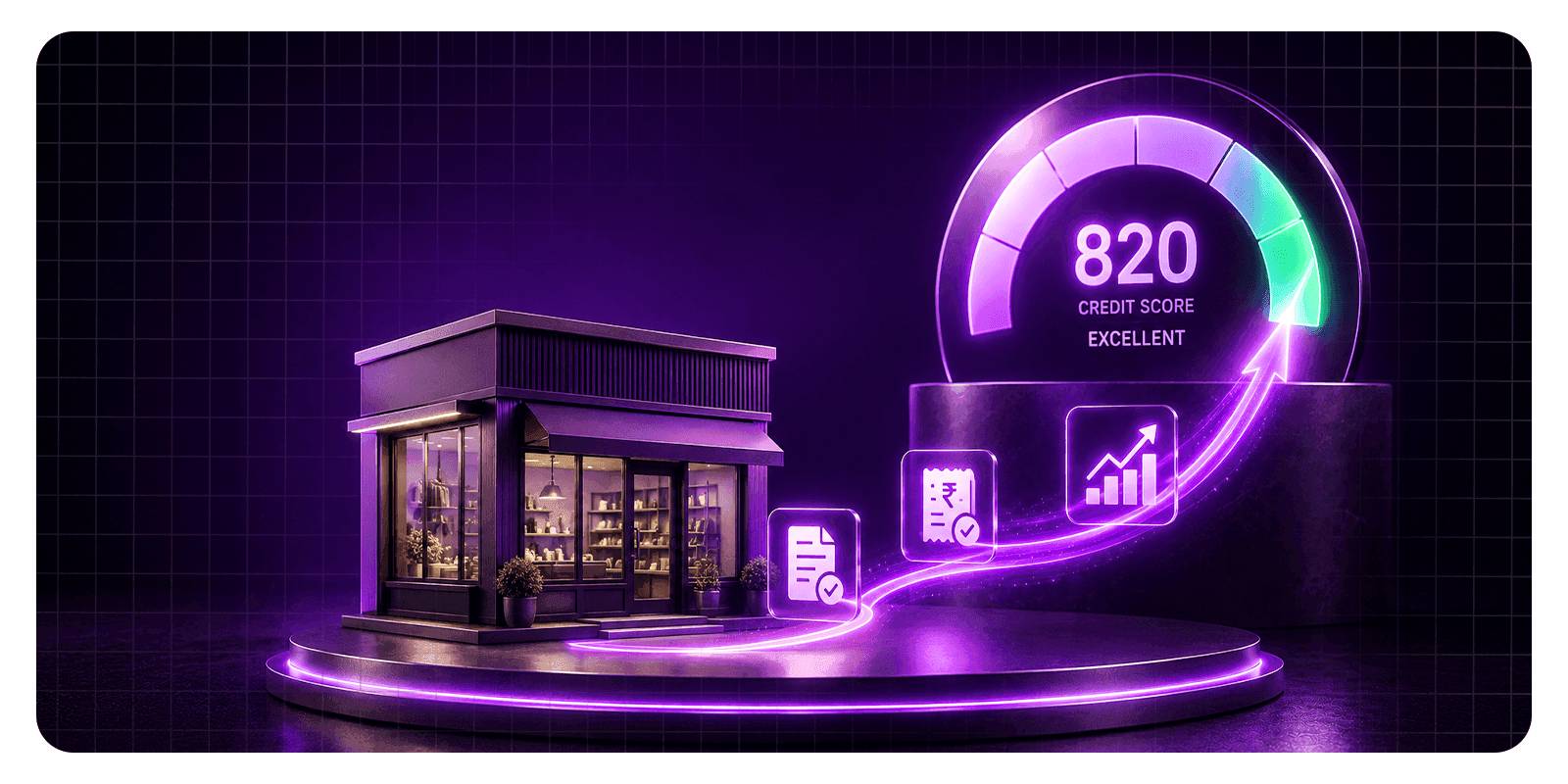
The time it takes for a CIBIL score to be updated is generally within 30 to 45 days after an EMI payment is made, based on how long it takes for the lender to submit their repayment data to the credit bureau in India. The repayment cycle for lenders submitting data to TransUnion CIBIL is cyclical, so therefore, there is a delay in when the updates occur from when the EMI payment is made
CIBIL scores represent how well you manage your credit and repayment history and are calculated based on the data provided to lenders (financial institutions including banks and non-banking financial institutions), when you make an EMI payment on loans or credit cards; this payment is recorded as an entry in the lender's database; however, at that time, this data will not be present on your CIBIL report.
Lenders generally submit customer data to TransUnion CIBIL in a cyclical manner (usually monthly). When they submit their customer data, TransUnion CIBIL reviews it and will adjust the "payment history" on your CIBIL report accordingly and if necessary to recalculate your score.
For example, if an EMI payment is due on the 10th of each month and it is paid on time, it is probable that the lender will report the payment within the next scheduled reporting cycle. Depending on when your lender submits that information within your lender's report; it can take 30 to 45 days from the time of payment for your CIBIL report to reflect the most recent payment.

This lag is typical, and doesn’t mean that there’s anything wrong with your payment. What matters is that your payment shows as being “on time” with the lender. Over time, these regular EMI payments bolster your repayment history, one of the biggest elements determining your credit score.
What’s more, your CIBIL score is not updated on a daily basis. It updates a score solely upon receiving new information from lenders. This implies that positive or negative changes in your credit conduct could require a couple of weeks to be reflected in your report.
Factor: EMI Payment Recording
Immediate Payment Update: Instantly recorded by lender
Typical CIBIL Update Cycle: Not immediately visible in credit report
Factor: Data Reporting
Immediate Payment Update: Stored in lender’s internal system
Typical CIBIL Update Cycle: Sent to CIBIL during monthly reporting
Factor: Credit Report Update
Immediate Payment Update: Same day in lender system
Typical CIBIL Update Cycle: Around 30 to 45 days
Factor: Score Change
Immediate Payment Update: No instant change
Typical CIBIL Update Cycle: Updated after data submission
This is why borrowers might not witness an instantaneous IMROVE in their CIBIL score after making an EMI payment.

So if you want your CIBIL score to climb consistently, concentrate on repaying regularly. When you pay your EMIs on or before the due date, your lender reports a good payment history to TransUnion CIBIL.
Pay your EMI on time, always. Most bank accounts also allow you to setup auto payments – this way you won’t miss a payment. Even one late payment can damage your credit and linger on your report.
Periodically check your credit report to verify that your repayments are reported treated properly. If you see any mistakes — for example, an EMI marked as late even though you paid on time — you can file a dispute with the credit bureau and the lender.
Keep a balanced credit profile. Don’t apply for a bunch of loans in a short amount of time and watch those credit cards! High credit utilisation can impact your score despite on-time EMI payments.
And lastly, update patiently. Credit scores increase slowly through steady financial habits. CCEMIs for a few months can really beef up your credit profile and strengthen your prospects of getting better loan offers down the line.
The update is not done straight away. The payment made by you will first be entered into the records of your lender, who will at the end of each month transfer data regarding the payments made by you to TransUnion CIBIL.
Your EMI payment will be reflected on your credit report once your lender has submitted the data in an update cycle at or shortly after the time you paid your EMIs. This will generally happen after 30 - 45 days of the payment of your last EMI.
An increase in your score is largely based upon continuous and regular payments. While an increase will rarely happen for one payment alone, continuous positive EMI payments over time will have an overall positive impact on your payment history, and therefore your credit score.



Contact

care@zetapp.in
Social


Build and Maintain a 750+ Credit Score