March 11, 2026 · 5 mins read
Santosh Kumar
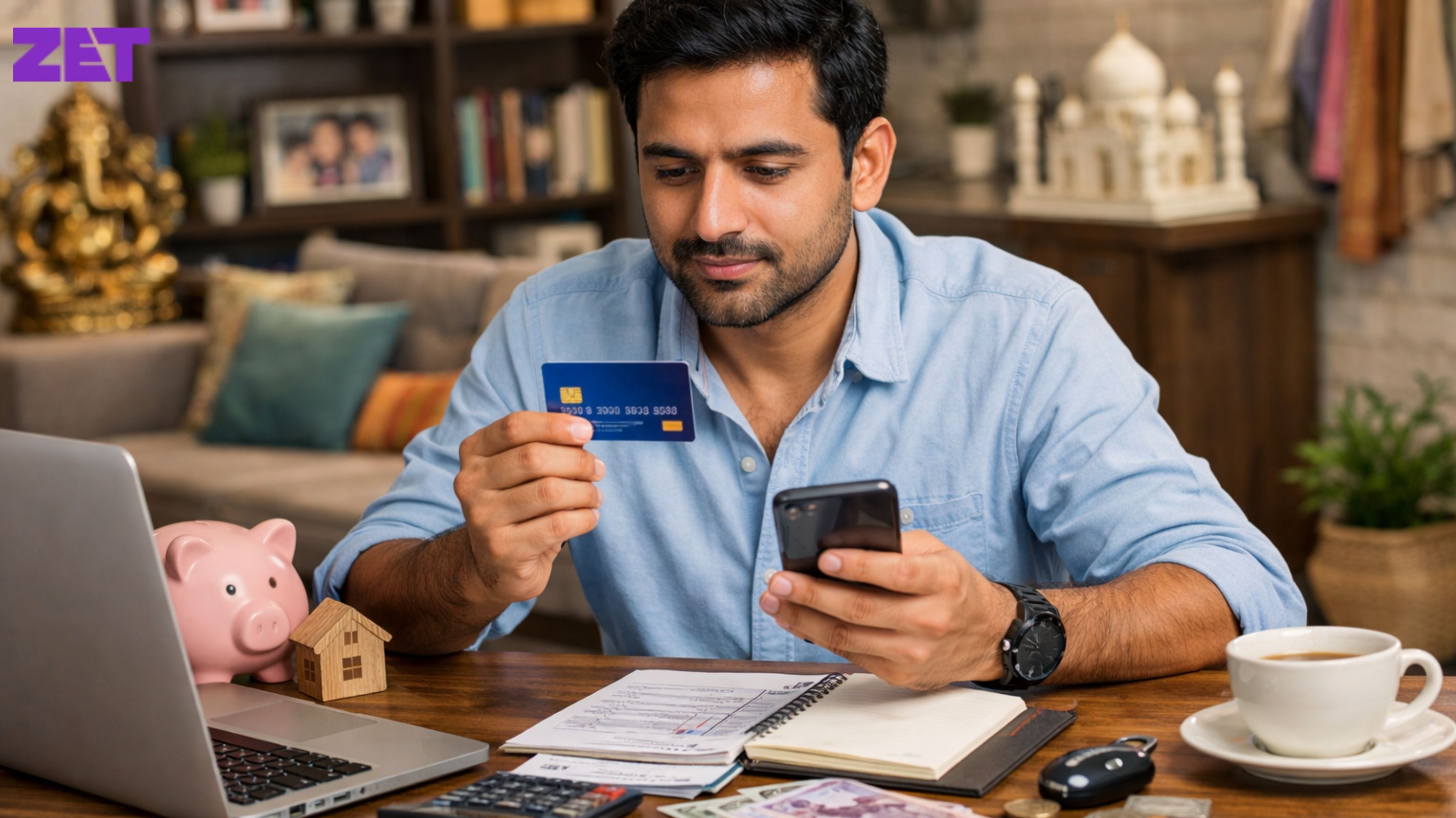
Yes, credit card can be smart for a middle-class Indian if used responsibly. Credit cards offer convenience, short-term credit, rewards, and establish a credit history. But when misused, with high interest fees and missed payments, they can also quickly lead to debt and financial strain.
Credit cards are fairly common in India. Most banks have cards for salaried and middle income families. When used judiciously, a credit card can make daily payments easy and offer you financial leeway.
One key feature is the interest-free credit period, usually between 20 and 50 days. This enables users to buy and pay back later with no interest, as long as they pay off the entire bill by the due date. For middle-class homes that don’t have a lot of wiggle-room in their monthly budgets, this can really help even out cash flow.

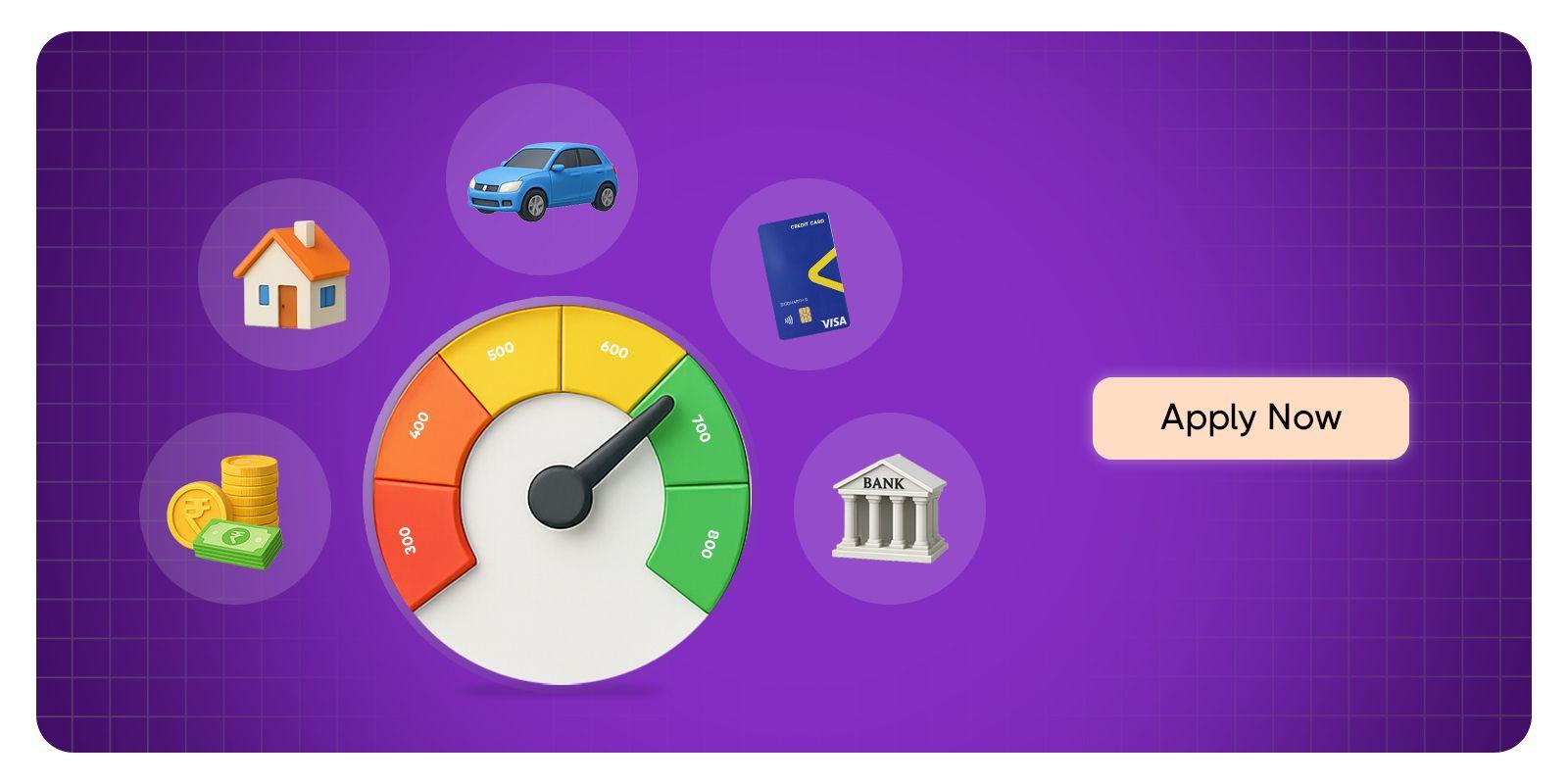
Credit cards also help build a strong credit profile. Timely repayments are furnished to credit bureaus, which enhances the CIBIL score. A good credit score is not only necessary when applying for home or car loans.
Another advantage is the availability of cashback, reward points, and discounts on spending categories such as groceries, fuel, travel bookings, and online shopping. And, in the long run, these rewards can also help decrease your spending.
But with the benefits comes responsibility. Credit card rates can be outrageous. If the full balance isn’t paid on time, interest charges pile up fast — leaving long-term debt in their wake.
Let’s take a salaried individual making ₹50,000 per month who pays for day-to-day expenses like groceries, fuel and utility bills with the credit card. If the individual expends ₹15,000 monthly and settles the full bill on or before the due date, they have the benefit of reward points and interest-free credit.
Now imagine the same person charges ₹40,000 on shopping and travel and makes just the minimum payment. The balance starts accruing interest, which makes the amount due grow every month.
It’s a case study in how a credit card can be your friend, or your foe.

Aspect: Convenience
Advantages: Easy digital payments for online and offline purchases
Risks: May encourage overspending
Aspect: Credit Score
Advantages: Builds a good CIBIL score with timely payments
Risks: Late payments damage credit score
Aspect: Rewards
Advantages: Cashback and reward points on purchases
Risks: Rewards may tempt unnecessary spending
Aspect: Short-term Credit
Advantages: Interest-free period if bill is paid fully
Risks: High interest on unpaid balances
Aspect: Financial Support
Advantages: Useful during emergencies
Risks: Can create debt if misused
Also Read: ₹2,000 FD Credit Card Limit: How Much Limit Can You Get?
Middle-class households can safely utilize credit cards with a few simple habits.
Keep your credit card for primarily for planned expenses, not impulse buys. strive to maintain credit utilization under 30 percent of the available limit. Always pay the full bill amount before the due date to avoid interest charges. It is also helpful to enable automatic payment reminders or bank auto-debit options. It minimizes the potential for missed payments and safeguards the credit score.
Don’t keep multiple credit cards unless you need them. Juggling too many cards can make it hard to keep tabs on your spending.
Also Read: How to Get a Credit Card with Just a ₹2,000 FD in India
If you’ve already got CC debt it’s still possible to recover with the right structure.
Begin by putting down more than the minimum amount due each month. The minimum payment simply keeps the account open, but does nothing to actually lower the balance.
Then, slash as much discretionary spending as you can so you can put as much as possible towards erasing the balance. Do not put new charges on the card until you have paid off the balance.
And if the balance is large, a lower-interest personal loan can occasionally be used to consolidate the debt.
Once you’ve paid down the balance, continue the practice of paying the entire bill each month. This keeps the credit card a friend, not a foe.
Credit cards may be a safe option for credit card holders who possess responsible spending habits, by paying their balance in full and on time and staying within their overall spending limits. Enjoying all the benefits of using a credit card comes with having no outstanding debts.
Your CIBIL score is likely to improve from using your credit card regularly and paying off any balances on time. There are also instances where your CIBIL score could decrease, such as when you miss a payment, or if your current credit utilisation is too high.
Experts typically recommend that your monthly credit card utilisation remain less than 30 per cent, of your overall available credit limit, in order to retain a strong credit profile.



Contact

care@zetapp.in
Social


Build and Maintain a 750+ Credit Score