November 29, 2025 · 8 mins read
Santosh Kumar
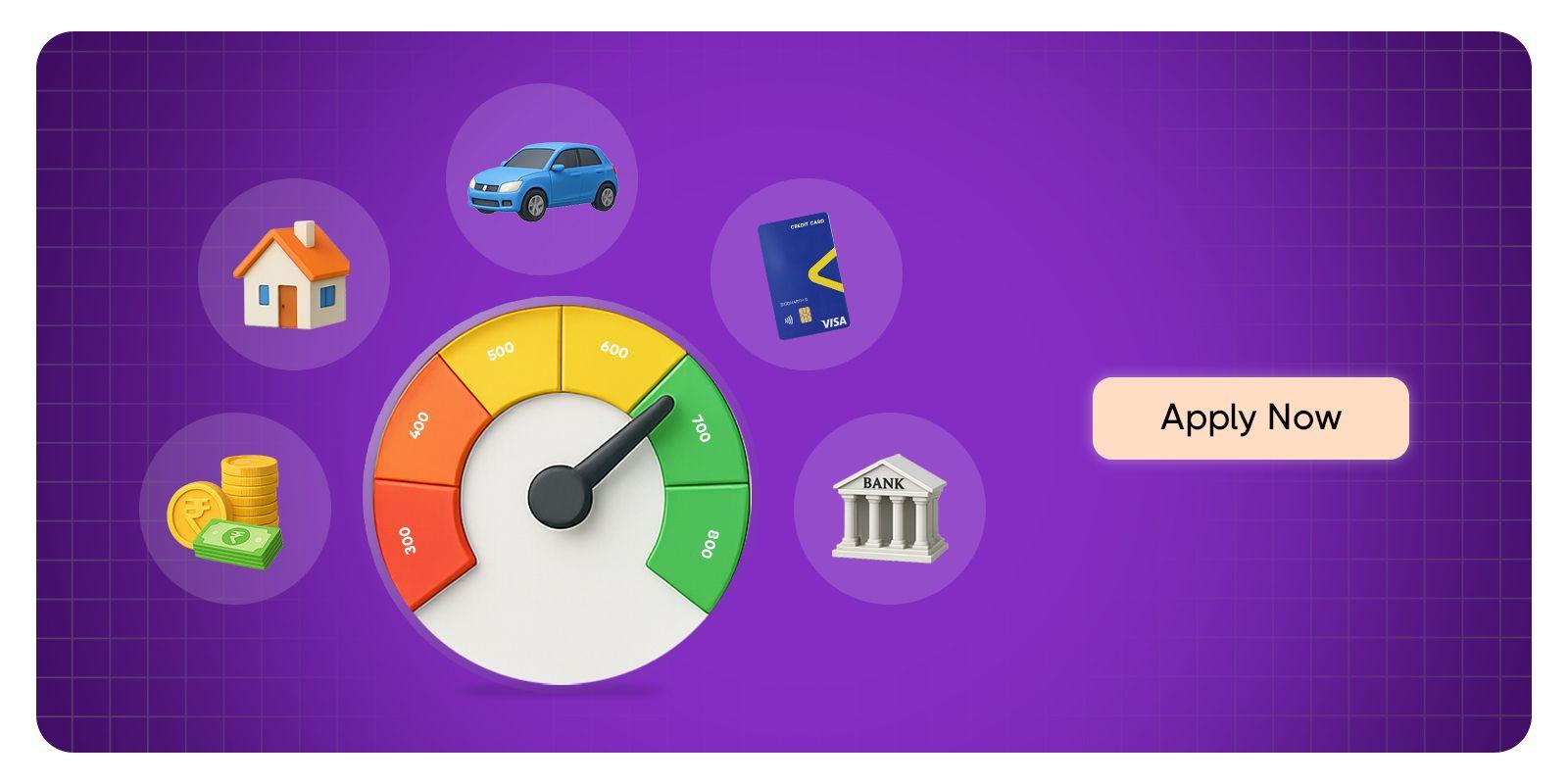
Your experian credit score has a big impact on your financial story. Whether you intend to apply for a credit card, personal loan or buy a home, lenders use this score to determine your financial responsibility. A better credit score not only increases your likelihood of acceptance, but it also enables you to get better interest rates and more flexible repayment plans. That’s why raising your Experian credit score is one of the smartest long-term financial moves you can make.

If you’ve ever wondered why your credit score fluctuates like a roller coaster or how to get it to behave, this guide explains how your Experian credit score works, what affects it and the most effective ways to improve it without stress. With a bit of discipline and a good plan, you can slowly edge toward a more resilient financial profile.
Before trying to improve your score, it’s important to understand how Experian evaluates your credit profile. Experian considers several factors, including repayment history, credit utilisation, account age, credit mix, and recent credit inquiries. Together, these factors reflect how responsibly you manage credit and your overall credit risk.
A lengthy record of on-time payments shows Experian that you’re dependable. A high credit utilisation ratio may indicate that you depend too heavily on borrowing. Excessive recent loan or credit card applications could be a sign of financial distress. Once you know how they work, you can start fixing the patterns that drag your score down.
Most people consider their credit score only when they seek a loan, but its reach is much broader. Banks and other financial institutions use it for just about every major decision. If you have a good credit score, you’ll be provided better interest rates as lenders believe you’ll pay on time. You may also get quicker approvals, larger credit limits and access to special offers, including premium cards.
A bad credit score, conversely, spooks lenders. You could still get a loan or an instant online credit card, but you might pay more interest or have to provide additional paperwork. And some lenders will dismiss you out of hand. This can cause unnecessary delays and money woes. Bringing that bad score up gives you control of your financial possibilities.
So step one, check your report carefully. Many are surprised to find typos or outdated information. Something as benign as a wrong address, a closed loan or a late payment reported in error can ding your score.
While reviewing your report, be on the lookout for inconsistencies in your information, unfamiliar accounts, incorrect loan amounts or duplicates. If you find an inaccuracy, file a dispute with Experian. They’ll check it out with your lender and set the record straight. As soon as the correction hits your report, your score recovers automatically.
Nothing increases your credit score more reliably than paying your credit card bills and loan instalments when they’re due. Payment history is the most important factor in Experian’s scoring model. Even a single missed or late payment can ding your score.
If you’re a flake about remembering deadlines, automate your EMIs or set reminders. It is important to break the late payment pattern since lenders view every late payment as an indication that you’re experiencing financial difficulty. Once Experian has a few months of positive repayment data, your score starts going up.
Your credit utilisation ratio is how much credit you’re using versus your available limit. If you max out most of your credit card limit, Experian figures you may be relying too heavily on credit. Preferably, you should always use less than 50% of your credit.
If your costs habitually drive your utilisation ratio too high, consider paying off your card balances mid-cycle instead of waiting for the billing date. You can also ask for a higher credit limit from your bank, but only if you can handle the responsibility. Lower utilisation indicates to lenders that you’re financially responsible.
Experian also scores people higher if they handle various types of credit. If you have only cards and no loans, or vice versa, your credit mix will be sparse. A healthy mix of secured and unsecured credit assures lenders that you can manage various types of financial obligations.
That doesn’t mean you should accept additional loans just to boost your score. It just means that if you really need a financial product, selecting a diversity as opposed to a monotype can assist your score develop.
Each time you apply for a credit card or loan, lenders perform a hard inquiry on your credit report. Too many of these checks in a brief span can ding your score, since Experian figures you could be in financial trouble. Even if you are just shopping, don’t apply to lots of lenders simultaneously. If you want to compare deals, use eligibility checkers that do soft inquiries. These don’t impact your score, and they help you figure out which lenders are the most likely to approve your application.
Old pending balances are among the biggest causes of a low Experian credit score. If you have overdue credit card bills, unpaid EMIs or long-pending loan accounts, clear them first. Once settled, tell your lender and wait for the new record to appear on your report.
Otherwise, if you have older accounts that were settled rather than closed, you may have to go back with your lender. A settled account means that you didn’t repay in full. Closing such accounts after clearing dues can boost lenders’ perception of your credit habits.
Your account age indicates to Experian how long you’ve been handling credit. Older accounts with good repayment history are gold for your score. Closing your longest card or loan account, even if you don’t use it that much anymore, may lower your score because it reduces your credit history.
Keep your elder accounts alive with nominal or infrequent usage. This keeps your credit profile robust, which Experian values over time.
Identity theft and unauthorised accounts can harm your score fast. If you spot accounts or enquiries that you don’t recognise, get in touch with your bank and Experian without delay. Fraud-related entries need to be manually deleted quickly, as they impact your score and your ability to get credit in the future.
Checking your report regularly is the surest way to spot anything fishy. A brief look every few months keeps you on top of your finances.
Boosting your Experian credit score won’t happen overnight. Most good trend shifts take a few months to reverberate. What counts is repeated action. On-time payments, responsible usage and stable accounts foster enduring trust with lenders. Long-term, your score becomes robust.
No easy path to solid credit. Instead, it comes from consistent and considered money behaviours. Once you keep these habits, your score doesn’t just get better, it stays strong.
1. How long does it take to improve my Experian credit score?
The time it takes to see improvement to your score varies depending on how long you've been using credit responsibly and your history on time pays and lower amounts used towards what was allowed versus what you actually used. Most of the time, a nearly complete profile will see changes in approximately 3-6 months.
2. Can I improve my Experian score without taking new loans or credit cards?
Yes, improving your score can be accomplished without taking on any new debt or opening new accounts — much of that comes from fixing mistakes, establishing a positive record of on-time payments, decreasing the amount of outstanding balance on existing accounts, and maintaining older accounts as-is.
3. Does checking my Experian credit score reduce it?
No, checking your own score is called a soft inquiry, and it does not have any effect on your overall score.
4. Why did my score drop even though I paid on time?
There are several potential reasons why you may have lost ground, including high utilization ratios for opened accounts, new inquiries from lenders through the application process, closure of previous files containing open accounts, and/or recent changes by one or more of the lenders.
5. Do closed loans help my score?
Yes, closed accounts with previously clean payment history indicate to creditors that you managed long-term accounts responsibly.
6. Can clearing old overdue balances increase my Experian score?
Yes, once an account that has just been cleared from your report gets updated, your score might improve immediately following the change.



Contact

care@zetapp.in
Social


Build and Maintain a 750+ Credit Score