March 16, 2026 · 4 mins read
Santosh Kumar

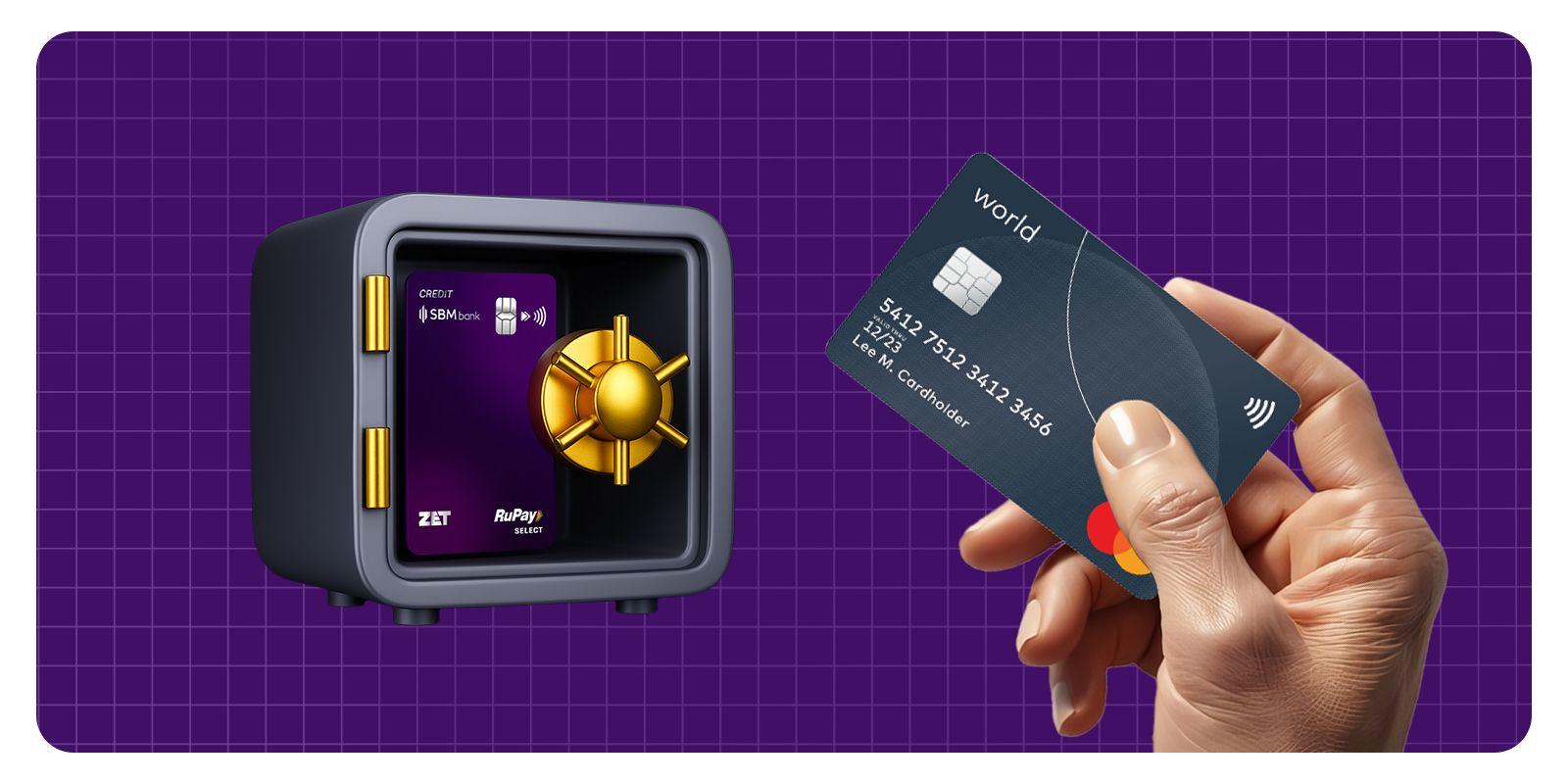
Yes, RuPay credit card payments on UPI are free on transactions upto ₹2000 for users. For transactions over ₹2000, some merchant categories may be subject to a merchant discount rate. This fee is generally paid by the merchant, not by the customer paying.
UPI is among the most popular digital payment infrastructures in India.
Originally meant for bank account transfers, credit cards were eventually linked to UPI apps. So far, RuPay credit cards are the sole credit card network to have been UPI-enabled.
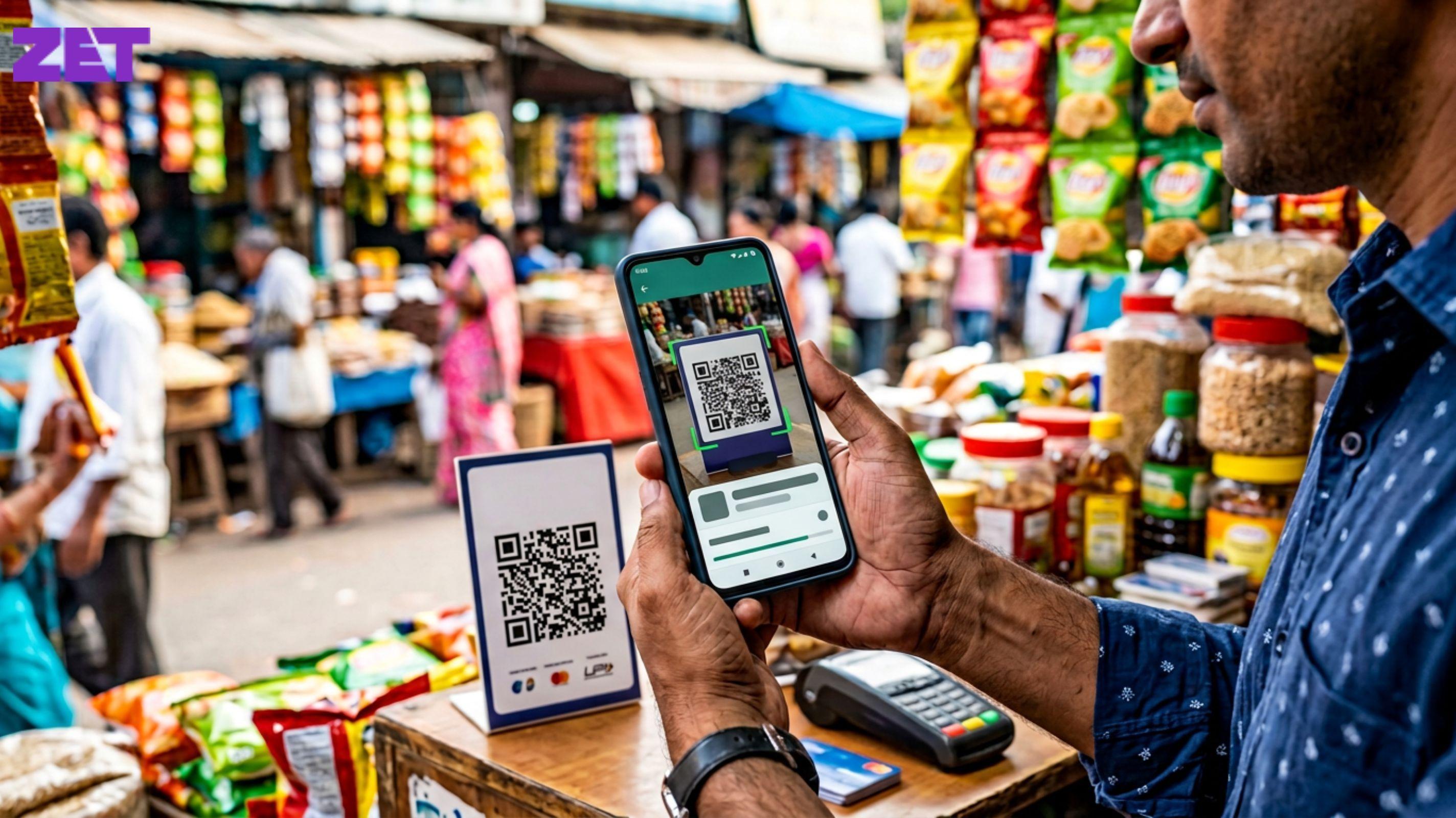
This means users can pay by way of QR codes or UPI IDs with their credit card limit instead of directly from their bank balance. The payment, of course, goes on the credit card billing cycle and has to be paid back later.

The functionality was launched within the UPI system established by India’s National Payments Corporation to simplify digital payments.
A lot of people think that UPI credit card payments over ₹2000 attract additional fees to customers. Actually, the rule is more for merchants than users.
For transactions up to ₹2000 made through RuPay credit cards on UPI, there is typically no merchant discount rate applied. This implies that merchants are not charged transaction fees for low-value payments.
For transactions above ₹2000, a small MDR might be applicable based on merchant category and payment service provider. This fee is typically paid by the merchant to the payment network and acquiring bank.
Customers don’t typically notice this fee directly unless a merchant decides to pass the cost along, which is rare for most retail transactions.

Transaction Amount : Up to ₹2000
Processing Charge for Customer: No direct charge
Merchant Discount Rate: Usually none
Transaction Amount : Above ₹2000
Processing Charge for Customer: No direct charge in most cases
Merchant Discount Rate: May apply depending on merchant category
Transaction Amount : Refund Transactions
Processing Charge for Customer: No charge
Merchant Discount Rate: Processed through merchant system
Transaction Amount : Payment Settlement
Processing Charge for Customer: Included in credit card bill
Merchant Discount Rate: Managed between bank and merchant
The ₹2000 limit is aimed at pushing digital payments for small day-to-day transactions. A lot of retail purchases in India lie in this range — groceries, restaurant bills, local services.
By keeping these payments merchant charges-free, the UPI ecosystem spurs greater digital transaction adoption across both urban and rural geographies. Its policy framework is supported by the National Payments Corporation of India, which persistently coordinates with banks and payments providers to scale up UPI usage.
The more merchants go digital, the more convenient it is for consumers and the faster and safer it is for businesses to process payments.
Also Read: Rupay Credit Card
While swiping a RuPay credit card on UPI is easy, consumers must keep their credit in check. Because the amount is charged to your credit card statement, you have to pay it off before the due date.
Paying on time not only helps you escape interest charges, but also you have a good credit history with TransUnion CIBIL.
They should also frequently review credit card statements and UPI transaction history to keep an eye on their expenditure. That keeps you on track financially and avoids bill-shock at the end of the cycle.
For small daily payments, RuPay credit cards on UPI offer a fast, secure alternative to fumbling with cash or typing in card details again and again.
Also Read: GST for E-Commerce Sellers: Rules & Compliance Checklist
Generally, no transaction fees or merchant fees will apply on transactions of less than ₹2,000, although there might be a processing charge on these transactions.
In most cases, consumers will not incur a charge, but there may be a merchant discount rate that will be charged to the merchant.
The UPI system is owned by the National Payments Corporation of India and is operated by an independent company.
Yes, because payments made using UPI will be considered as Credit Card transactions. Thus timely payments will be gathered into your credit file held by TransUnion CIBIL.



Contact

care@zetapp.in
Social


Build and Maintain a 750+ Credit Score