December 22, 2025 · 9 mins read
Santosh Kumar
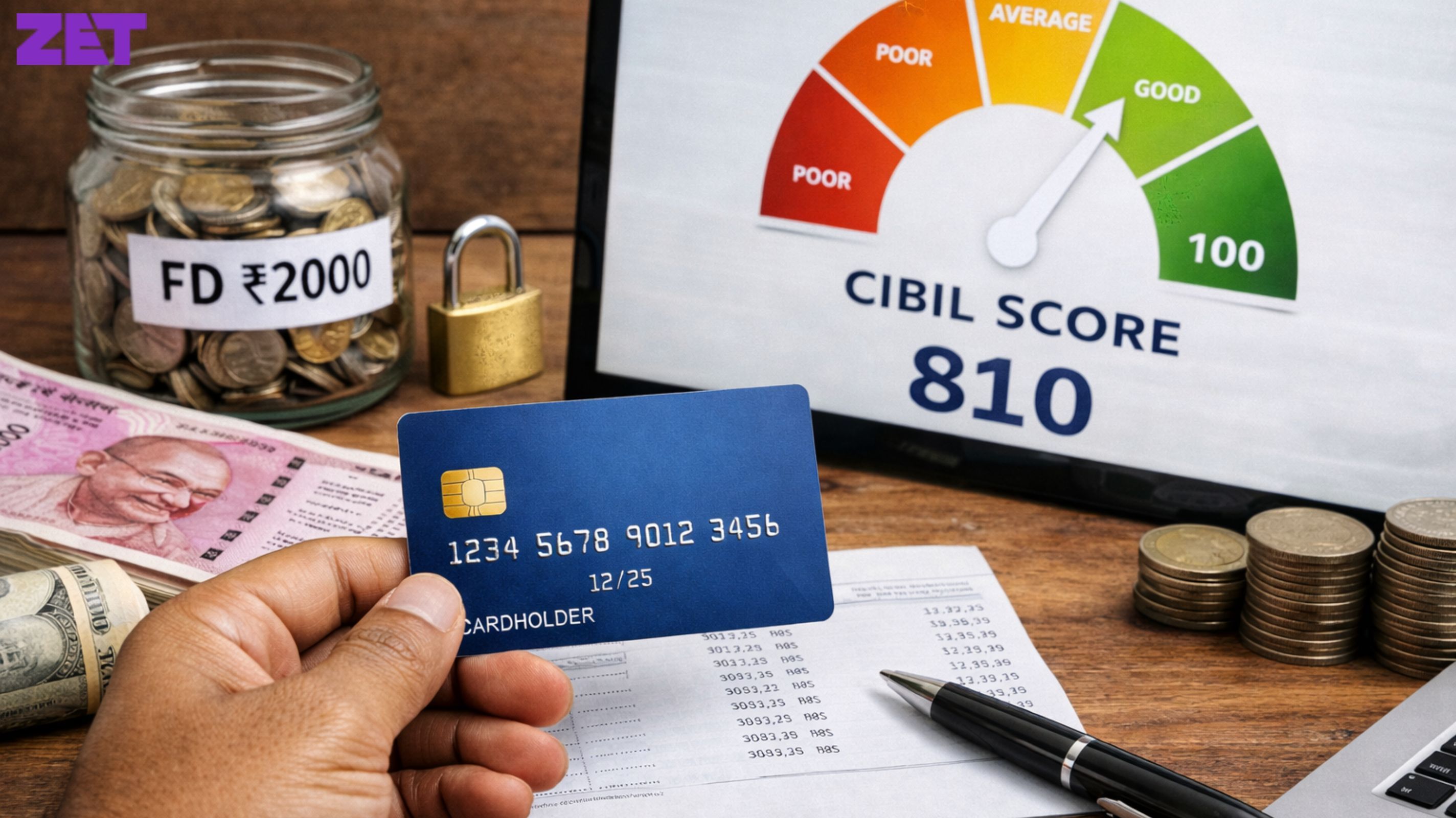
It’s confusing and frustrating to build a good CIBIL score, particularly if you’re a beginner. A lot of folks in India think that to enhance a credit score, you need a high salary, a platinum card or an extensive history. In fact, it can start with something a lot lower to the ground. A credit card secured by a mini fixed deposit can be one of the easiest and least stressful ways to inculcate credit discipline.

Increasingly, different trailblazing first-timers are finding out how a ₹2K fixed deposit credit card can get them into the formal credit fold. Whether you’re a student, freelancer, homemaker or even a rejected borrower, this strategy provides an incremental, pragmatic path to earning lender confidence.
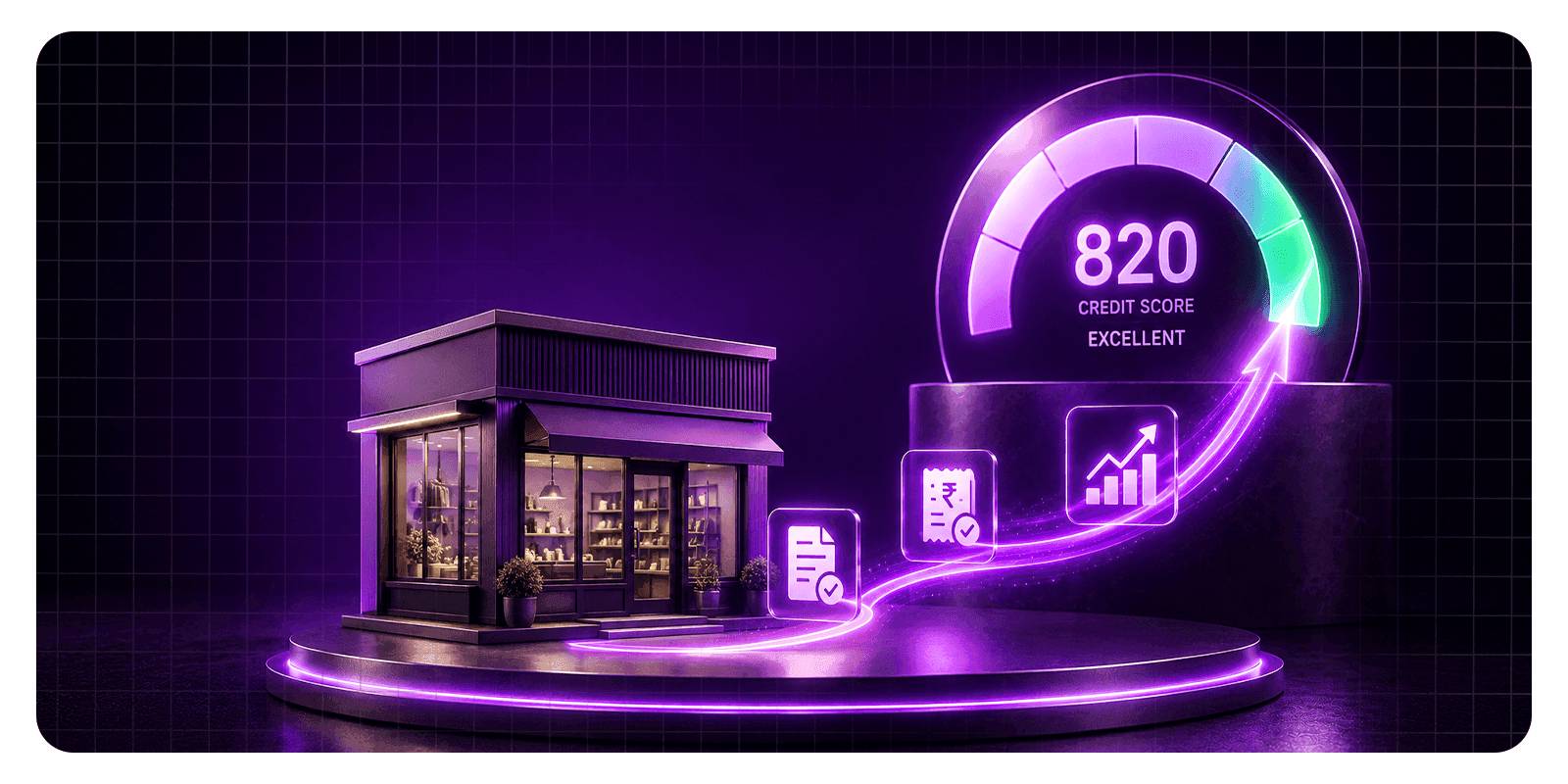
Prior to knowing how an FD-backed credit card assists, it is essential to understand what the CIBIL score really mirrors. Your CIBIL score is a number that summarises how responsibly you use borrowed money. It considers your payment history, credit utilisation, length of credit history, and new credit applications.
Banks don’t expect perfection, but they want consistency and discipline. Even one active credit account, if handled responsibly, can tip the scales in time. Now this is where a little FD-based credit card gets mighty.
Also Read: ₹2,000 FD Credit Card Limit: How Much Limit Can You Get?
For example, many people believe that it’s only massive loans or jumbo-limit credit cards that affect your credit score. In reality, the amount of the credit isn’t as important as what you do with it. Credit bureaus care about patterns, not amounts.
If you have a credit card secured by a ₹2,000 FD and clear your dues every month, that behaviour signals dependability. Over time, this regular habit makes lenders confident in you, even if the credit limit is tiny.
That’s why so many newbs discover a little FD-backed card really does beat waiting years to become eligible for an unsecured card.
Also Read: Best Credit Cards In India You Can Get On A ₹2,000 FD (2026 List)
An FD card is a secured credit card issued against a fixed deposit you make with the bank. The deposit acts as collateral. Since the bank already has your money, it has little to lose and can sign you up even if you have no income documentation or credit history.
If you invest ₹2,000 as a fixed deposit, the bank generally provides you with a credit limit of 75 per cent to 100 per cent of that amount. The precise amount varies based on the bank™s policy.
Though the ceiling is small, the card behaves like a traditional credit card for day-to-day activity. The key detail is that your card activity and payments are reported to credit agencies. It’s this reporting that helps your CIBIL score grow.
Also Read: How to Get a Credit Card with Just a ₹2,000 FD in India
As you responsibly use a secured credit card, you build a good credit history. Each time you pay your bill on time, it adds a favourable data point to your credit report. Within a couple of months, this pattern starts showing in your CIBIL score.
To improve a credit score using an FD credit card, three factors matter most. The first is timely repayment. But it’s imperative that you pay the full amount before the due date. Even a single payment missed can bottleneck your progress.
The second is credit utilisation. If your limit is ₹2,000, only dipping into it a bit regularly demonstrates discipline. Credit bureaus love users who don’t max out.
The third ingredient is account age. The more time you maintain the card open and under control, the more solid your credit history.
Together, these factors contribute to a steady CIBIL score increase with a small FD.
Also Read: How to Create a UPI QR Code for Your Shop or Business?
A ₹2,000 FD credit card is best for credit newbies. Many students have a hard time getting approved for unsecured cards based on their income history. Freelancers might have it hard since their revenue is inconsistent. Housewives might not have income whatsoever.
In each of these instances, a secured card eliminates the key obstacles. Approval is simpler, the paperwork is less, and the financial exposure is smaller. But since the credit limit is small, it also avoids overspending and promotes prudent use.
This mix makes it simpler to develop positive habits early, which is way more valuable than having an ample credit limit too early.
Also Read: How to solve ‘UPI ID Not Found’ error?
How quickly you improve will depend on where you begin. If you have no credit history whatsoever, you should observe a score produced within 3-6 months of use. If you have a small or impaired score, the enhancement can be slow, but even within the first half year, it is still very apparent.
The key is consistency. Utilising it monthly and then paying the statement in full generates momentum. Though a ₹2,000 FD credit card will not magically change your score overnight, it builds a foundation.
Over time, this builds a base that can qualify you for higher-limit cards and better loan terms.
Also Read: UPI vs Wallet Payments: Which One Should You Use?
Fintech platforms have done a lot to make credit easy for newbies. One such example is the ZET Credit Card, which works with banking partners to help users understand and access suitable credit card options.
ZET is not just a card issuer; it also aims to teach its users responsible credit habits. It steers young credit users toward spending, repayment and scoring habits in stages. Though the ZET Credit Card itself may not necessarily begin with a ₹2,000 FD, products like ZET assist users in realising the impact of small FD-backed cards and groom them for bigger credit options as their profile normalises.
This type of support is particularly helpful for those who are intimidated by finance speak and desire a straightforward route to improved credit wellness.
Also Read: What Is UPI 123Pay and How to Use It Without Internet?
Or that possession of a credit card is positive to their score. In fact, improper use can be more damaging than beneficial. Being late on payments, even by a few days, hurts your score. Minimum payments also drag progress and inflate interest costs.
Another error is maxing out the credit limit. Even if you pay the balance in full later, high utilisation can still temporarily drag your score down.
Discipline is what it really takes for you to benefit from a small FD-backed card.
Yep, your fixed deposit stays locked for as long as your credit card is alive. This is all within the safety plan. But the deposit keeps on accruing interest.
As soon as you close the card and pay the dues, the FD comes back to you with interest. In this way, your money is well spent. It serves you both by gaining interest and by establishing credit.
Also Read: How to File NIL GST Return Online
A ₹2,000 FD credit card is not your end stop. It is a stepping stone. Most banks will take a look at your credit behaviour after 6 to 12 months of responsible use. If your payment record is clear and your score has increased, you might receive an offer for an unsecured card.
Other users close their secured card at this juncture, while others leave it open in tandem with a new card in order to preserve age. And both approaches can work, depending on your finances. The key here is that the tiny FD card has already performed its function, having unlocked the door.
There’s also a psychological benefit to beginning with a low credit limit, in addition to grades and points. It takes the worry and the debt phobia out. You discover billing cycles, how interest accrues, and navigate payments without panic.
This confidence follows you as you ascend to higher limits and more advanced products.
Also Read: GST For Home-Based Businesses: Do You Need It?
If you’re serious about developing a better credit profile, then yes. A small FD credit card gives you a low-risk, low-pressure opportunity to establish a financial track record. It might not bestow luxury perks or high rewards, but its true worth is in what it opens up for you.
Yes. Credit bureaus concern themselves with repayment behaviour — not credit limit size. Regular on-time payments with a small FD-backed card will steadily boost your score.
If you’re new to credit, a score can develop in 3-6 months. If you’re starting with a score, progress is possible in six months of diligent use.
Yes. Missed or late payments hurt your CIBIL score, no matter if your card is secured or unsecured.
No. PS It’s better to keep usage low. Utilising a tiny bit of the limit and paying it off in full demonstrates responsible habits.
Absolutely. A responsibly managed secured card is much better than no credit profile at all.



Contact

care@zetapp.in
Social


Build and Maintain a 750+ Credit Score