December 22, 2025 · 9 mins read
Santosh Kumar

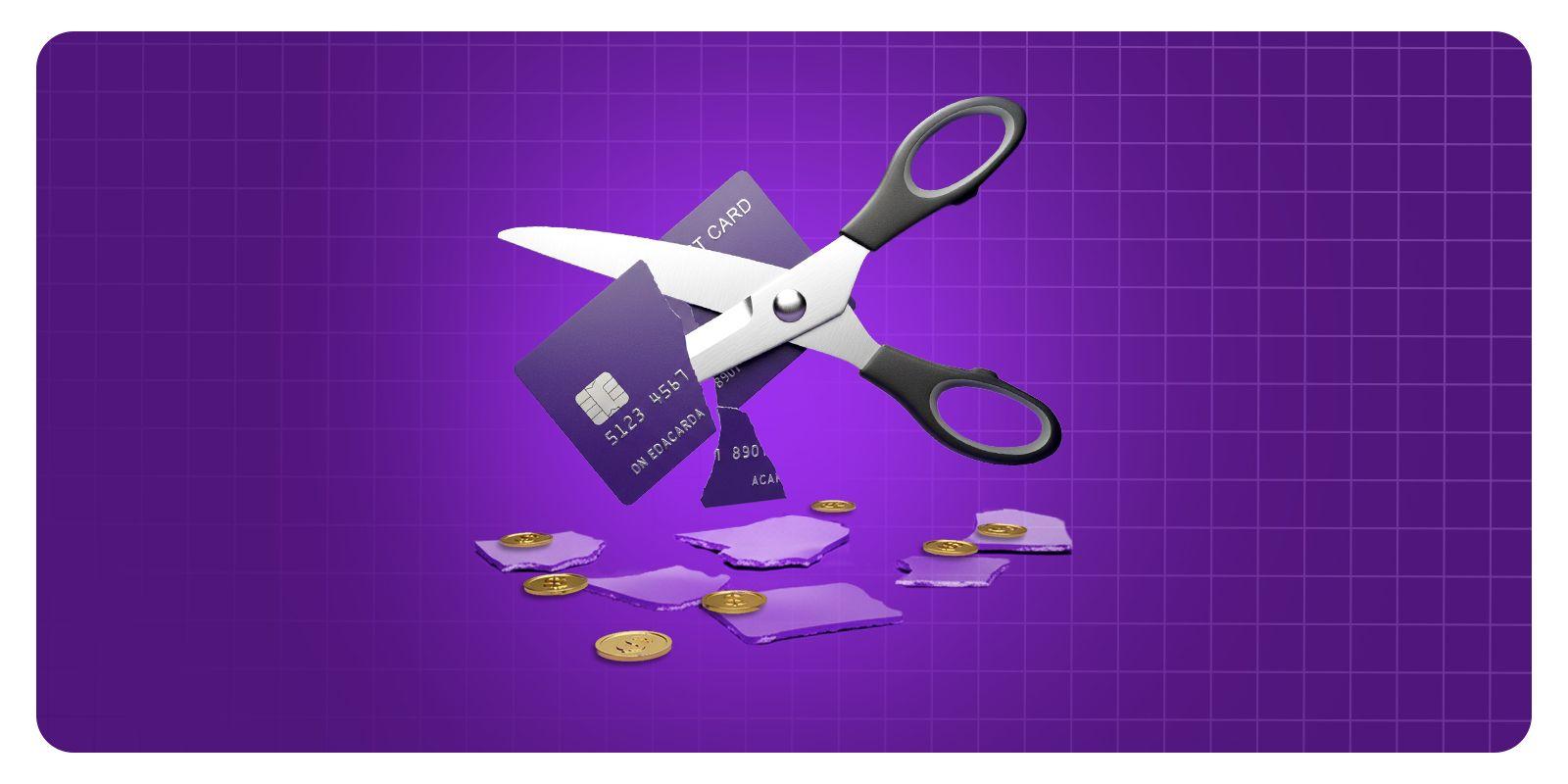
For most new credit users, particularly students, freelancers, and others without a consistent salary slip, receiving a credit card can seem bewildering and scary. Banks typically require income verification, credit history, and employment information, which immediately closes the door for those who are getting started. That’s precisely where FD-backed credit cards enter the picture, providing an easy and safe path into the credit system.

One of the newer platforms simplifying this is the ZET app. It facilitates the process of researching, comparing, and applying for credit cards, such as fixed deposit-backed cards that can begin from as low as ₹2,000.
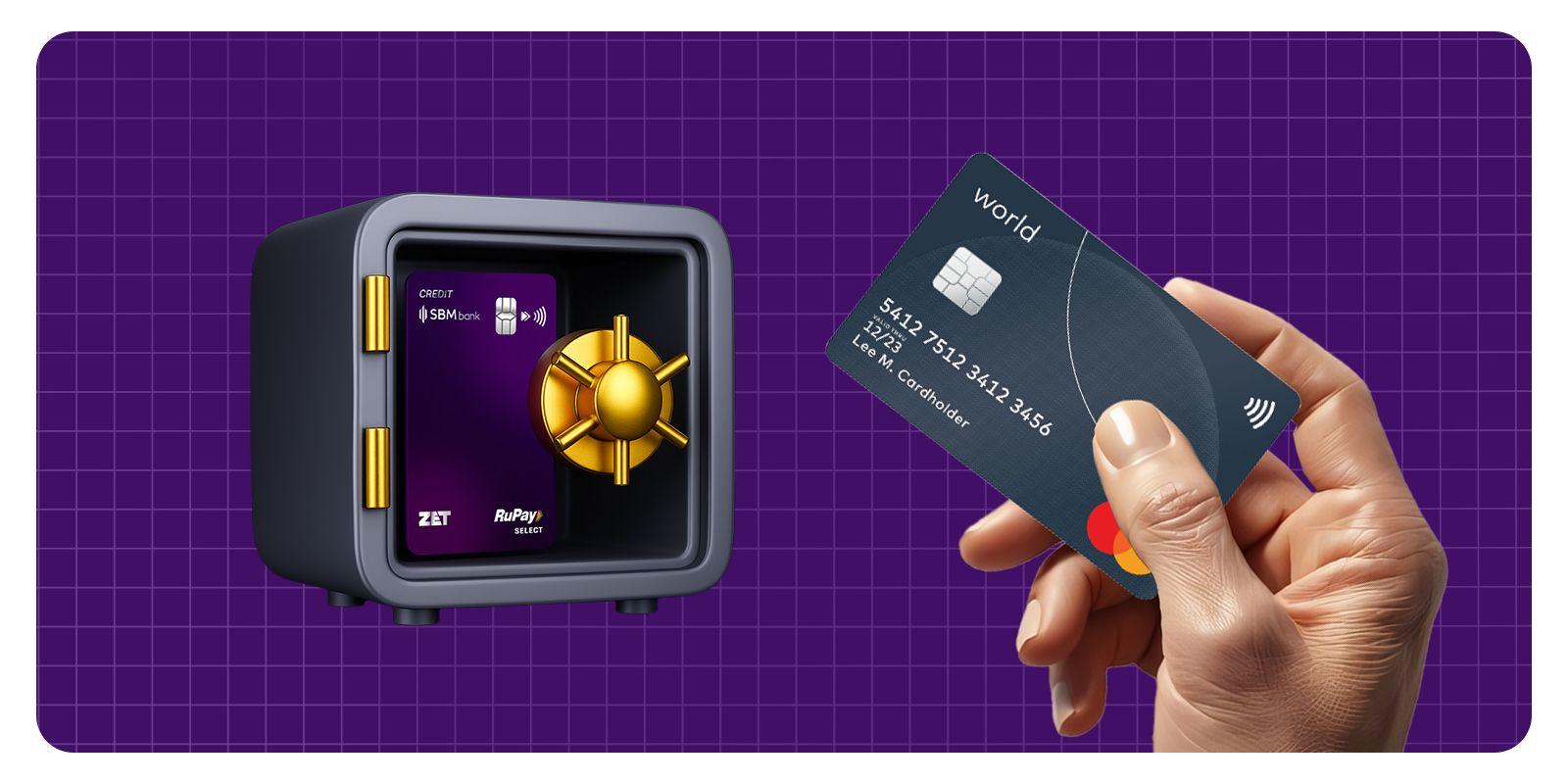
Before you dive in for an application, it’s useful to understand what a ₹2,000 FD credit card actually is. It is a credit card issued against a fixed deposit that you open with a partner bank. The deposit is security to the bank, which mitigates their risk and enables them to provide a credit card without requiring income verification.
As you make a fixed deposit of Rs . 2000, the bank usually sends you a credit card with a limit near that amount. In certain instances, the limit might be a tad lower, based on the bank’s internal procedures. And regardless of the tiny limit, the card is a card just like any other credit card and builds your credit history.
This format is perfect for beginners who need a regulated, low-risk method of venturing into credit.
Also Read: Can Students Get a ₹2,000 FD Credit Card? A Complete Guide
This is the app that connects users and banks. No more hopping around bank sites or branches, ZET lets you browse all the right cards in one place. For credit novices, this advice can be invaluable.
ZET, on the other hand, centers around decoding eligibility prominently and guiding users toward cards that fit their profile. For the FD-seeking small cardster, this cuts down on confusion and time-waste.
The app additionally streamlines digital identity verification, document submission, and application tracking, resulting in a much less stressful experience than dealing with conventional banks.
Also Read: How a ₹2,000 FD Credit Card Helps Build Your CIBIL Score Fast
Any applicants 18 years and older can check out FD-backed credit cards on ZET. This could be students, homemakers, freelancers, and folks who are in-between jobs. Because the card is secured against a fixed deposit, income proof is generally not required.
For registration, all you need is some simple identity and address proof, plus a bank account to open the fixed deposit. If you can afford the ₹2,000 deposit and are of the right age, you can usually apply.
This makes the ZET app FD credit card application accessible to a wide range of first-time users.
Also Read: ₹2,000 FD Credit Card Limit: How Much Limit Can You Get?
While the ZET app is intuitive, knowing what to expect makes it go quicker. Get your PAN card, which is required for any credit card application in India. An Aadhaar card is generally needed for address proof & digital KYC.
Make sure your mobile number is linked to your Aadhaar as well, since OTP-based verification is widely used. A bank account for the fixed deposit funding is just as critical.
After that foundation is set, the real application process flows much more easily.
Upon opening the ZET app, you’re led down a discovery funnel instead of being sold a monolithic product. This comes in handy for new users who don’t know what they’re eligible for.)
Once you input some simple details like age and employment status, the app presents you with credit card options that fit your profile. If you choose an FD-backed credit card option, the app describes the fixed deposit needed and the anticipated credit limit.
This is where the ZET app 2000 FD process becomes clear. You are told upfront that a ₹2,000 fixed deposit is taken and that it stays locked for as long as the card is in force.
Once you consent, the app performs digital KYC. This typically includes PAN verification and Aadhaar-based authentication. It’s paperless, and you can do it from home.
Post KYC, you are directed to fund the FD. This is via a trusted payment flow tied to the partner bank. With the deposit now successfully created, the credit card application transitions into the approval phase.
Often, approval is very fast because the deposit lowers the bank’s risk. You might get a virtual card initially, with a physical card sent to your address.
Also Read: Best Credit Cards In India You Can Get On A ₹2,000 FD (2026 List)
Once you’ve applied, the app lets you follow your application. I find this transparency comforting as a first-time applicant who frets over rejections.
If accepted, you are provided with your credit limit, billing cycle, and due date. Be sure to read these details closely – getting them down early will save you errors later!
At this point, your credit odyssey is truly underway.
Also Read: How to Get a Credit Card with Just a ₹2,000 FD in India
Getting a credit card is just the beginning. How you use it is what makes it helpful or harmful. With a ₹ 2,000 cap, it’s best used for small, frequent expenses like mobile recharges, subscriptions, or random online purchases.
Paying the bill in full before the due date. Even one late payment can damage your credit. Keeping usage below the full limit also looks responsible to credit bureaus. Over time, these habits establish good credit.
The ZET Credit Card represents ZET’s broader goal of making credit simpler and more transparent for users. Although ZET itself partners with banks to provide various card options, its platform has a critical function in directing users to appropriate products — such as FD-backed cards.
Whether it’s a ₹2,000 FD credit card applicant, ZET helps clarify the process. It details eligibility transparently, eschews surprise concealments, and incentivizes responsible use. This combination of access and education is what makes ZET so helpful for new credit users.
Also Read: How to Create a UPI QR Code for Your Shop or Business?
Yes, the FD you open still makes interest at the bank’s current FD rate. Your money isn’t gone or expended unless you default on your credit cards.
Whenever you choose to close the credit card, the fixed deposit is freed up along with the interest earned, if there are no dues. This makes the setup both secure and reasonable.
Absolutely. An FD-backed credit card is a stepping stone, not a life sentence. After you establish a good credit history, you might qualify for unsecured credit cards.
Then, you can either shut down the FD-backed card and withdraw your deposit or maintain it as a secondary credit line. To each their own, depending on your comfort and financial ambitions.
Also Read: How to solve ‘UPI ID Not Found’ error?
One easy error is inputting inaccurate personal information that can slow verification. Another is not knowing billing cycles and due dates, resulting in missed payments.
Other users figure that since the card is deposit-backed, payment discipline doesn’t matter as much. After all, it’s real money, and repaying it well still impacts your credit score.
Keeping these things in mind, at least, gets you the most out of your card.
Also Read: UPI vs Wallet Payments: Which One Should You Use?
So a lot of folks put off establishing credit because they assume they need a high income or a big deposit. A ₹2,000 FD card demonstrates that beginning modestly is absolutely acceptable.
It lets you discover how credit operates with no monetary risk. And before you know it, this tiny start has the natural potential to snowball into enormous potential.
Also Read: What Is UPI 123Pay and How to Use It Without Internet?
Students at 18+ can download the ZET app, do digital KYC & fund a ₹2,000 fixed deposit to apply for an FD-backed credit card.
Income proof is generally not necessary as the card is secured against a fixed deposit.
The process takes just a few days once KYC verification and the banks approve it.
Yes. Consistent use and on-time payments get reported to credit bureaus and build your credit history.
Missing a payment can ding your credit score, despite the card being FD-backed.
Yes. If used responsibly, you can even qualify for unsecured cards down the line.



Contact

care@zetapp.in
Social


Build and Maintain a 750+ Credit Score