December 20, 2025 · 9 mins read
Santosh Kumar
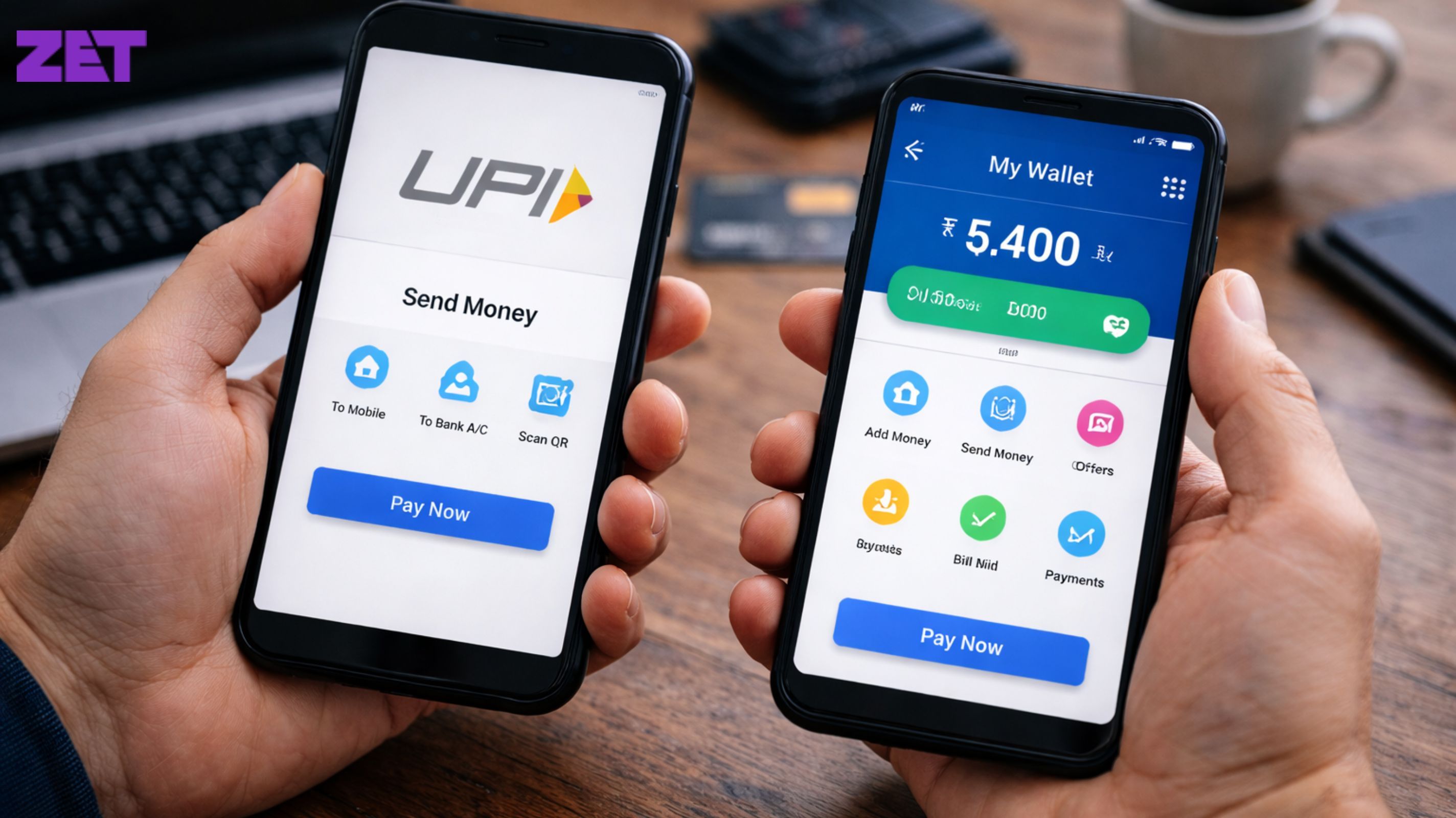
Digital payments have unobtrusively reinvented the routine in India. From groceries to utilities and peer-to-peer remittances, cash is no longer the de facto mode. Of all the digital modes of payment available today, UPI and wallet payments are not only one of the most commonly used, but among the most convenient too.

For most users, the distinction between them isn’t always obvious. Others use both back and forth without any real understanding of how they function or how one might be superior to the other. Others are uncertain which to use for everyday expenses, from online shopping to paying small businesses.
The debate on UPI vs wallet payments isn’t a battle of which system is better. It’s about knowing how each operates, what issues they address and which one best suits your individual or business payment habits.
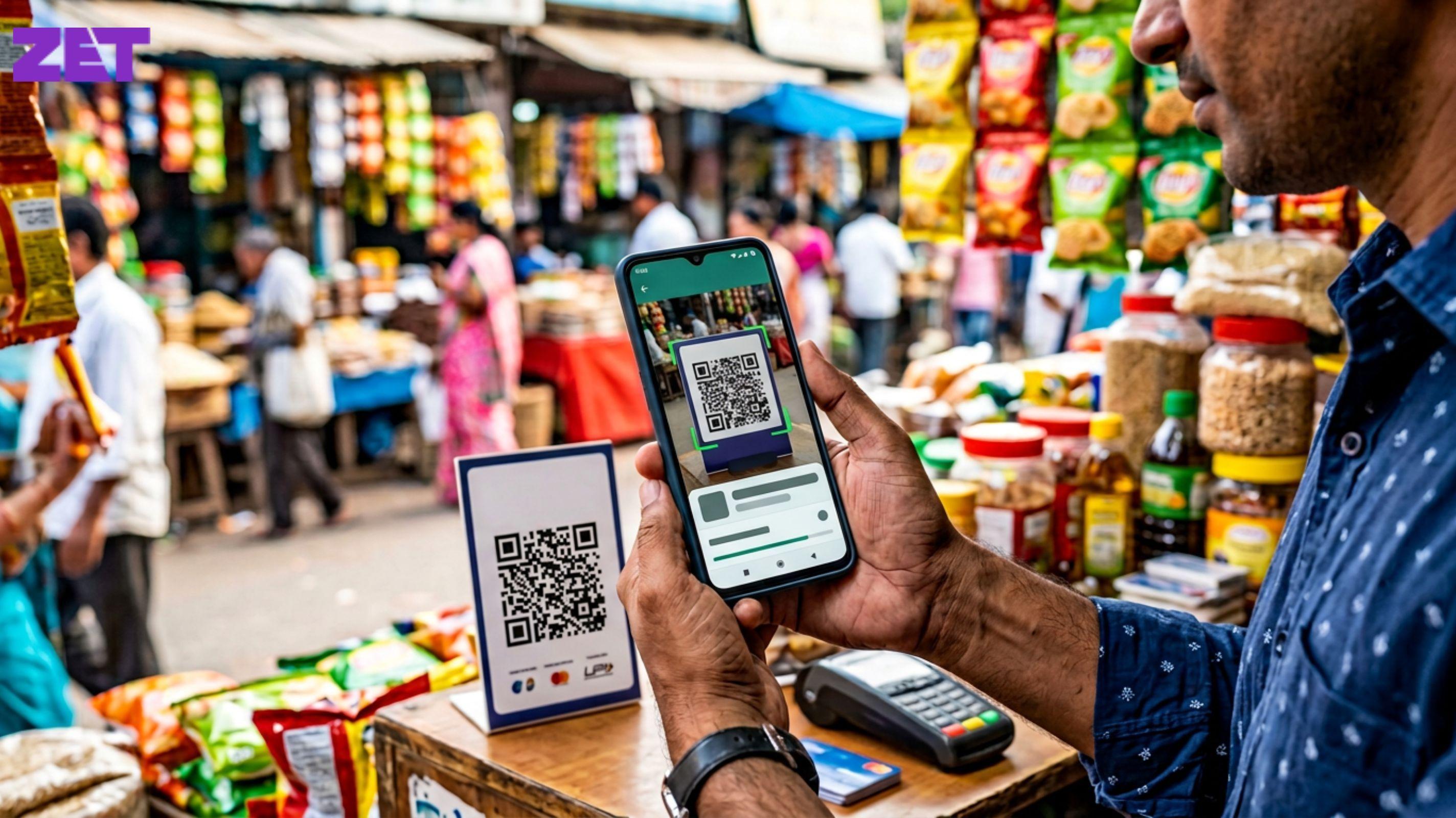
UPI, or Unified Payments Interface, enables users to send money from one bank account to another instantly. It operates via an app on your phone that is connected to your bank account and mobile number. Once on board, payments can be made instantly using a UPI ID, QR code or mobile number.
What makes UPI powerful is also its simplicity. No more remembering long bank details or waiting for transfers to clear. The funds are transferred immediately from your bank account to theirs. This has made UPI the go-to for peer-to-peer payments and local stores.
Another great thing about UPI is that it’s bank-centric. Your money is never taken from your bank account until you authorise a payment. No preloading of funds or separate balance necessary.
Also Read: What Is UPI 123Pay and How to Use It Without Internet?
Wallet payments operate slightly differently. A digital wallet is an app that stores money electronically. Users initially fund the wallet through a bank account, debit card or credit card. This cached balance can then be used to pay.
Wallets were already taking off before UPI went mainstream. They were particularly good for online stores, apps and cashback deals. Wallet payments continue to dominate bill payment, recharge and merchant payments, especially in cases where there are particular wallet tie-ups. Unlike UPI, wallet payments have an additional step. You have to pre-load money into the wallet before spending it. This distance between your bank account and the payment itself.
Also Read: How to File NIL GST Return Online
The fundamental distinction in the UPI vs wallet payments comparison is where your funds rest. With UPI, money remains in your bank account, and only travels when you authorise a transaction. With wallets, cash is segregated inside the application.
This difference impacts user-friendliness and security in purchasing power and refunds. Recognising this distinction makes it easier to understand why users will gravitate to one approach or the other in particular situations.
Also Read: GST For Home-Based Businesses: Do You Need It?
UPI is meant for fast, impulsive payments. You can pay a shopkeeper, divide a restaurant check with a friend or transfer funds to relatives without thinking. No wallet balance checking or topping up.
Wallet payments require some planning. If you’re low on your wallet, you must top up before paying. Although this isn’t hard, it adds friction, particularly for urgent deals.
For those who appreciate speed and simplicity, UPI frequently just seems more intuitive. For those who enjoy controlled spending via a segregated balance, wallets can be attractive.
Also Read: Documents Required for GST Registration for Different Business Types
One of the biggest factors behind UPI’s success is cost. And the majority of UPI transactions are free for users. No loading fees, transfer charges or maintenance costs for regular usage.
Wallets may involve indirect costs. While most wallets don’t impose fees on loading money with bank transfers, some do for card loads or for withdrawing the wallet balance back to a bank account. These fees are typically small but can accumulate.
So, from a pure cost standpoint, UPI is generally going to be cheaper for heavy users.
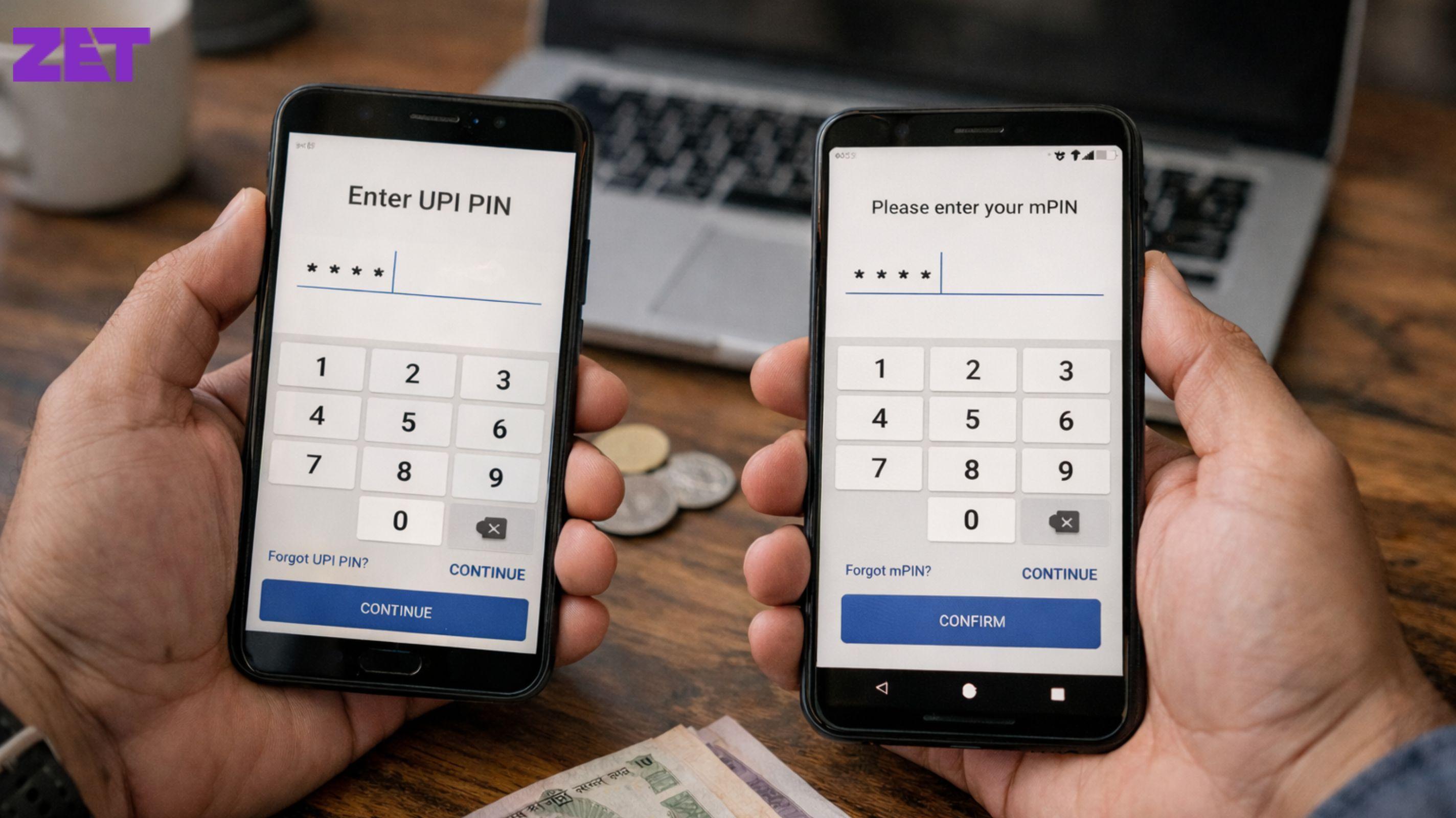
Security is big in digital payments. UPI uses two-factor authentication. Each transaction needs to be authorized via UPI PIN, providing your transactions a robust security.
Wallets additionally employ security features like app locks, PINs and biometric authentication. But since the cash is in the wallet, there’s a psychological distinction. Losing a wallet feels more traumatic than a dropped UPI payment, despite both being regulated and safe.
UPI also provides more transparency, as transactions show up straight in your bank statement. Wallet transactions might need checking in the app separately.
Also Read: What Is GSTIN? Format, Structure, and Meaning Explained
As a strange irony, wallets can improve spending for certain users. And since wallet balances are capped by what you load, they’re a natural spending limit. This is especially handy for young users, students or individuals seeking to rein in impulse spending.
UPI doesn’t have such limits by default. Since it’s tied to your bank account, it can seem simpler to blow through if you’re not careful.
In the UPI vs wallet payments debate, this behavioural detail frequently gets overlooked yet can be a significant differentiator.
UPI has become practically ubiquitous across India. From roadside vendors to monolithic retailer chains, UPI QR codes are ubiquitous. This ubiquity is what makes UPI so powerful.
Wallet adoption, by contrast, relies on merchant relationships. Certain merchants support particular wallets, and others don’t. This may restrict usability, particularly offline.
For consumers who desire a single payment instrument that functions nearly everywhere, UPI has a distinct edge.
Also Read: GST for E-Commerce Sellers: Rules & Compliance Checklist
Refunds are different between the two platforms. UPI refunds typically return right back to the bank account, but again, time depends on the merchant and bank procedures.
Wallet refunds are typically credited back to the wallet balance. This is convenient if you’re going to spend the money again within the same ecosystem, but maddening if you want it returned to your bank account.
Users who appreciate liquidity gravitate toward UPI for this reason.
Wallets continue to dominate online shopping and apps. Special deals, cashback programs and speedier checkouts keep wallets still in the game.
UPI, in particular, has caught up really quickly here. Numerous platforms also place a priority on UPI payments because they have low failure rates and instant confirmation.
In practice, both fare well online, but UPI’s bank-linked nature gives it an advantage for bigger or repeated payments.
Also Read: Annual Fee vs Lifetime Free Cards
For small businesses, there are obvious advantages to UPI. Payments come straight into the bank account, boosting cash flow and minimising reconciliation work. And no manual wallet balances to transfer over.
Wallet payments may remain valuable for promotions and partnerships, where customer incentives come into play. But perhaps handling wallet balances and settlements could complicate things.
Most small businesses now like UPI as a primary option and wallets as a secondary one.
UPI runs in a strictly controlled banking ecosystem. This gives them peace of mind in complaint resolution.
Wallets are under control as well, but with different rules depending on the type. Though trusted wallets abide by rigorous standards, people tend to feel UPI is more transparent as it links directly with their bank.
UPI fits for everyday payments, instant transfers and most merchant transactions. If you like managed spending, love cashback, or are an avid user of certain apps, wallet payments remain relevant. They’re great for budgeting and platform-specific buys.
For most users, the best practical strategy is to use both. UPI can cover the majority of transactions, and wallets can be employed judiciously wherever they provide an obvious advantage.
Also Read: Credit Card Cash Advance
UPI is still evolving, introducing capabilities that used to be wallet-exclusive. This has closed the gap quite a bit. Meanwhile, wallets are re-inventing themselves around rewards, loyalty programmes and financial services.
Instead of one replacing the other entirely, both systems are likely to coexist, catering to different user preferences and use cases.
That’s not the UPI vs wallet debate. It’s about knowing yourself. UPI is second to none in convenience, cost and acceptance. Wallet payments provide spending control, rewards and ecosystem advantages.
But by knowing when to use each, you can make digital payments work smarter for you rather than bending your behaviour to the technology. In a fast-changing digital economy, smart decisions count like never before.
UPI transfers money between bank accounts, and wallet payments use a preloaded in-app balance.
Both are safe, but UPI provides direct bank-level security and two-factor authentication that a lot of users find more comforting.
Yeah, particularly if you take advantage of cashback, budgeting or app-specific discounts.
Most UPI transactions are free. Wallets might charge for loading with cards or returning the balance to the bank.
UPI is usually preferred because of its cost, free and ubiquity.
UPI has wider acceptance among online and offline merchants than most wallets.



Contact

care@zetapp.in
Social


Build and Maintain a 750+ Credit Score