January 22, 2026 · 4 mins read
Santosh Kumar
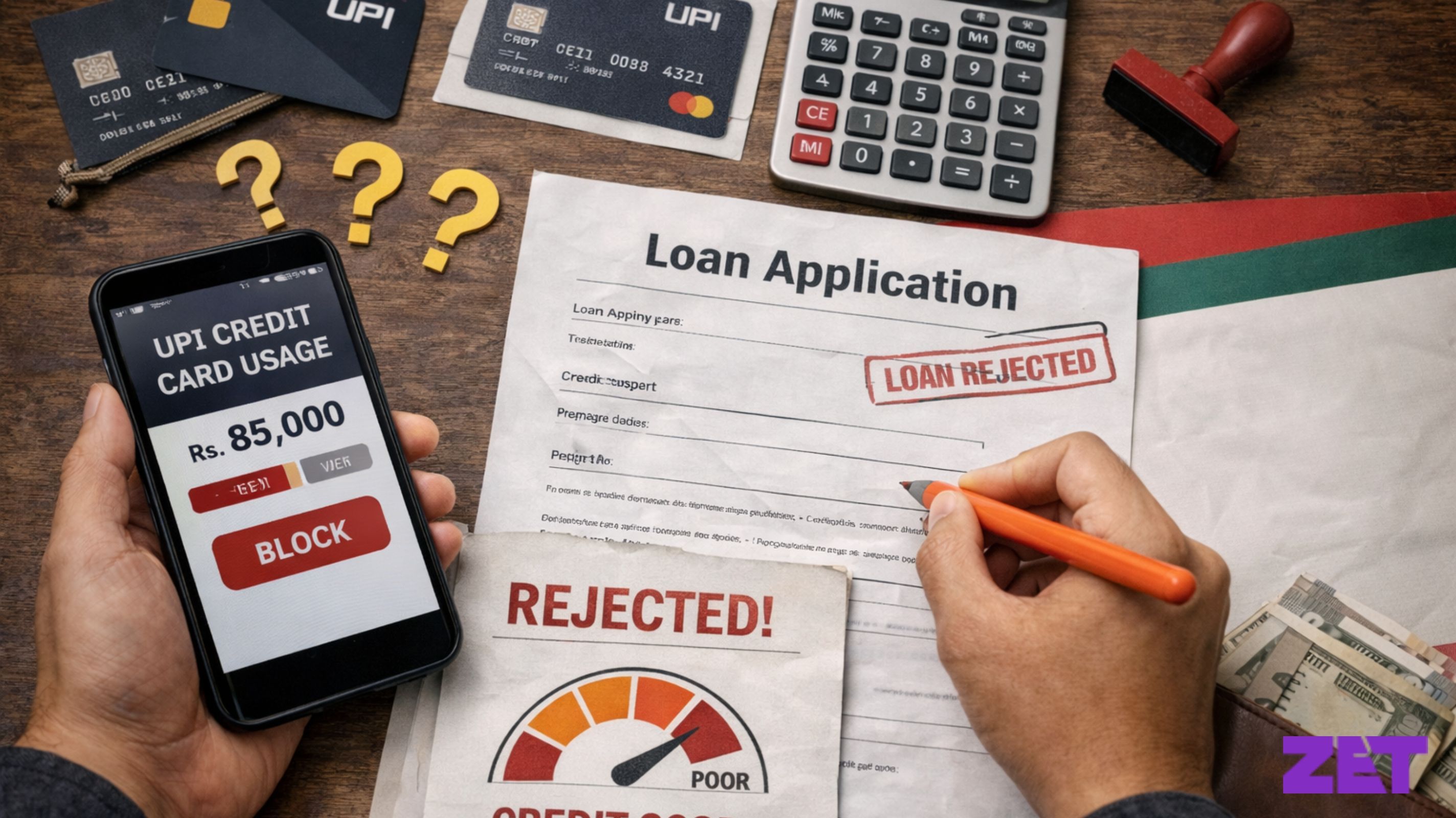
Your ability to get a loan is influenced by how often you use UPI with a credit card. The reason lenders consider UPI usage with a credit card is that they look at all your credit-related activities, including UPI usage, when determining whether or not to extend credit.

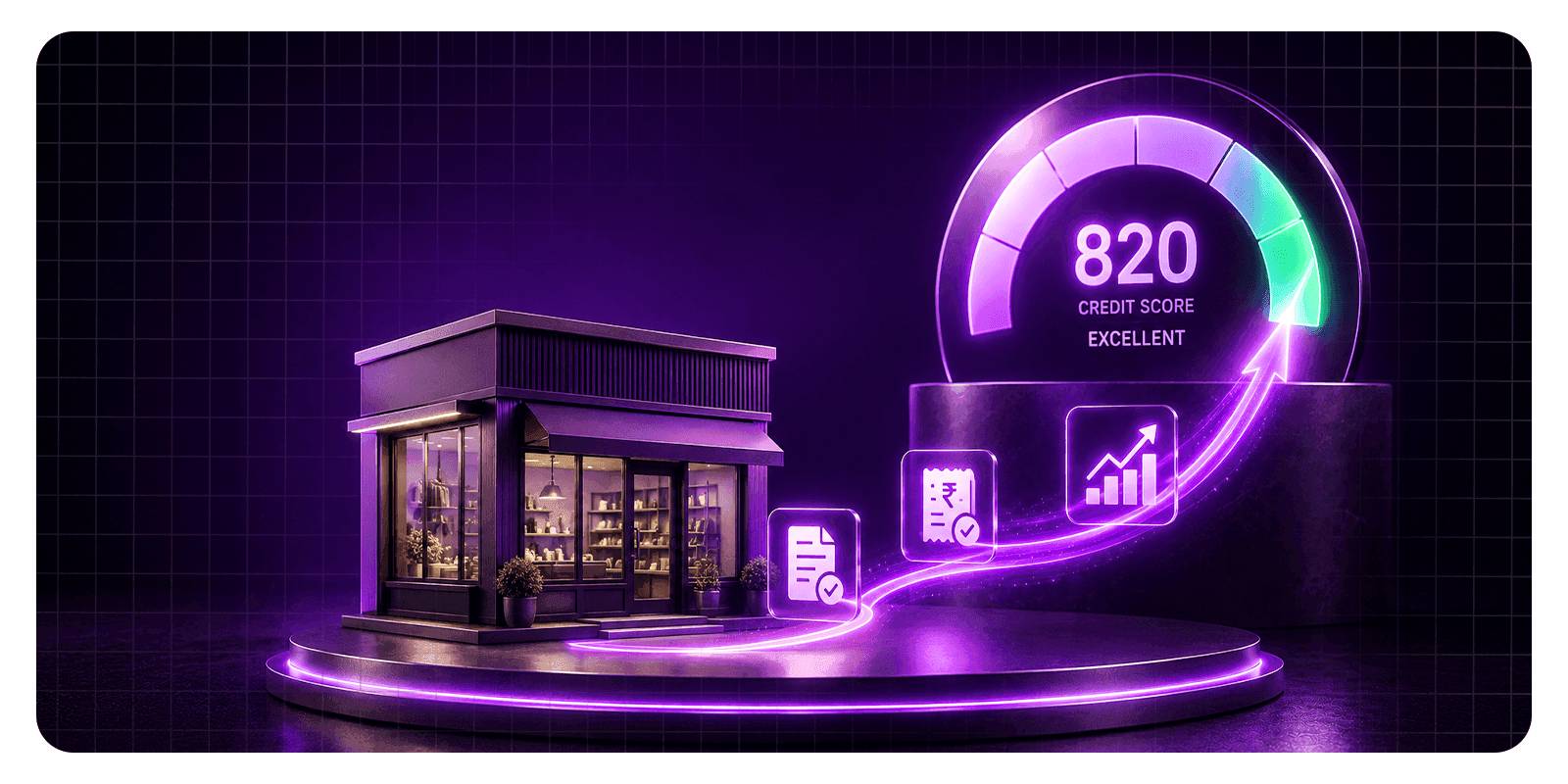
If you use your UPI-enabled credit card responsibly and make complete payments on time, you will create a strong loan profile. Frequent UPI usage followed by timely payments demonstrates responsible credit use and consistent repayment. A strong repayment history provides lenders with a solid indication of a borrower’s creditworthiness. The more you use UPI on your credit cards, and the more often you pay off your credit cards on time, the more likely you are to improve your credit score, which is an important factor when obtaining loans at favourable terms.
Problematic situations can occur with increased user dependence on the UPI product and inconsistent repayment patterns by the user. The experience of making instant payments with UPI can cause some users to forget they are actually spending using credit. As a result, if a user has high usage rates or makes multiple late payments, their credit profile will likely be negatively impacted. Lenders may interpret this activity as either being indicative of financial strain or poor money management, and therefore lower the chances of loan approval or charge higher interest rates.
Also Read: Documents Required for GST Registration for Different Business Types
Credit utilisation is determined by the ratio of a person's outstanding credit account balances compared to the person's credit limits. If you routinely use a high percentage of your credit limit for UPI transactions, even if you pay your UPI accounts on time, your credit profile may still be considered to be a high-risk credit account. High credit utilisation is indicative of high dependency on credit and is viewed unfavourably by some lenders, even if the user pays all UPI payments on time.
Lenders consider three general categories of income stability, existing liability, and payment history when assessing applicants. What is important to understand regarding UPI credit card use is that UPI transactions are associated with a lender's decision to provide funding to you based on the impact UPI transactions have on the data used by the lender. Therefore, while the method of payment through UPI is not a significant factor, UPI transaction behaviour does affect the financial viability of the customer based on financial behaviours associated with UPI transactions.
Also Read: Annual Fee vs Lifetime Free Cards
While lenders may not be able to distinguish UPI transactions from other card transactions, they do have a record of UPI transactions in the same way as card transactions. It is unlikely that UPI transactions are reported separately from other card transaction activity on a borrower's overall credit report.
Before applying for any loan, it is essential to keep your credit card balances low, make all payments on time, and refrain from unnecessary borrowing.
Also Read: Types of GST Registration in India
Zetapp's platform is geared towards helping users understand how UPI-based transactions influence their long-term financial objectives. By providing the user with a better understanding of repayment timelines, credit utilisation, and current debt balances, various resources, such as Zetapp assist users in developing and maintaining healthy credit practices.
No, UPI, by itself, does not affect your likelihood of being approved for a loan. The most significant factors impacting your chances are the way in which you use and pay off your credit.
Typically, lenders will see your total usage and payment history on each of your credit cards; however, lenders do not usually track specifically which method you used to pay.
Yes, using UPI can contribute positively to your credit history if you keep usage at reasonable levels and make repayments on time.



Contact

care@zetapp.in
Social


Build and Maintain a 750+ Credit Score