January 26, 2026 · 8 mins read
Santosh Kumar
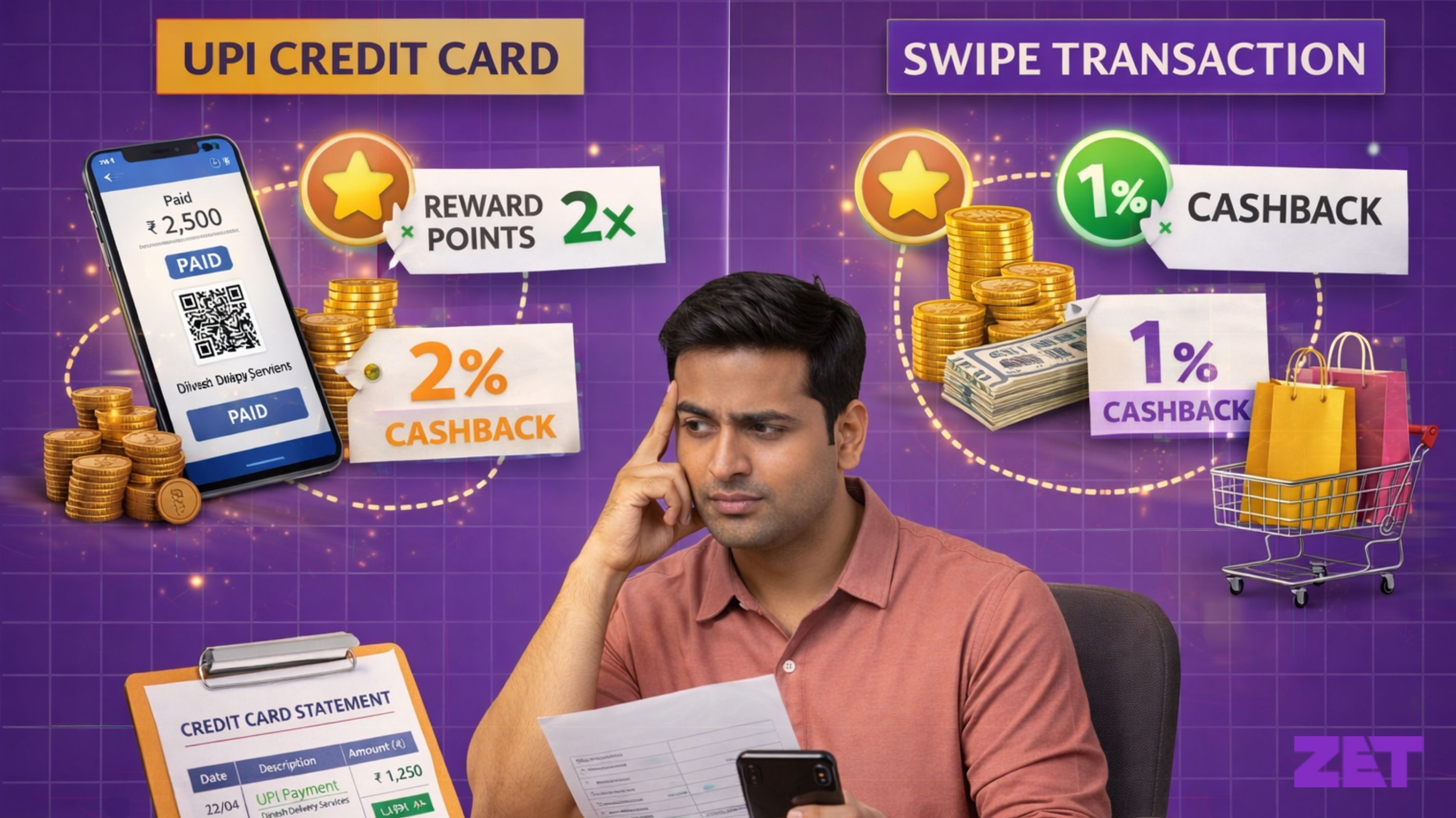
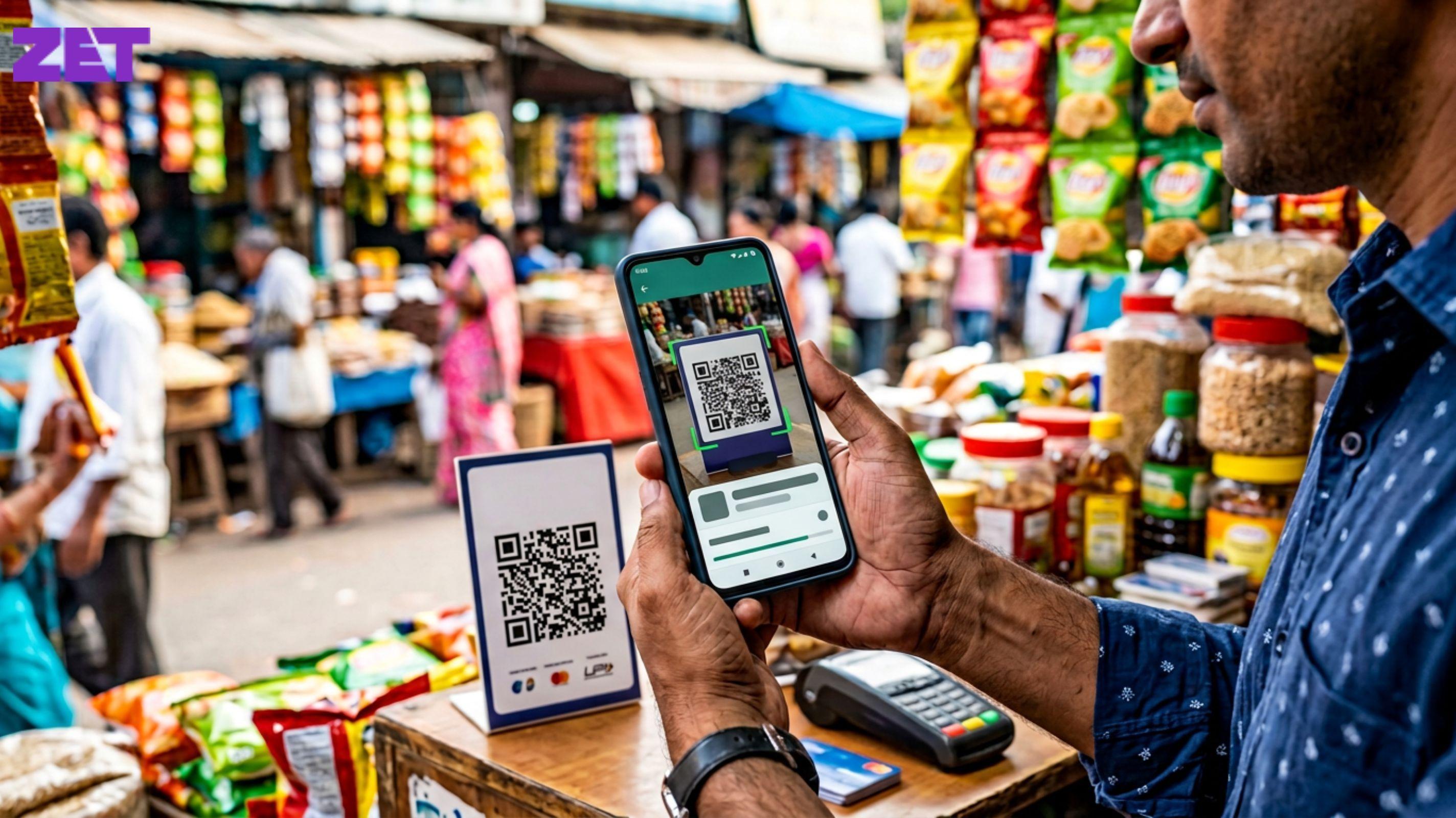
Consumer adoption of UPI credit cards continues to grow in India. As the usage of UPI for everyday purchases increases, many consumers are shifting away from swiping their credit cards at retail locations. Although the user experience may be perceived as being seamless, many consumers are still left wondering if the rewards and cash back incentives they earn by using their UPI credit card transactions will be the same as they earn through traditional swipe transactions or even via tap. Whether or not they will receive the same benefits when using either type of payment method depends on how the card issuers classify the transaction, merchant category and the structure of their rewards programmes. By understanding the differences in how the card issuer views these factors, cardholders can maximise their benefits by choosing the best payment option for each purchase.

Rewards on credit cards are based on the policies established by the issuer. The issuer will classify each transaction by the payment method used to make the transaction, the type of merchant involved in the transaction, and how the transaction was settled with the merchant. Swipe transactions pass through both the credit card networks and the point-of-sale (POS) terminals, which allows the bank to easily identify merchant categories and apply the appropriate level of rewards to the transaction. The UPI credit card transaction is still funded using a credit card; however, the routing process for these types of transactions may differ from traditional swipe-based routing processes. Therefore, there is the potential for increased variance between the rewards and cash back earned for UPI credit card transactions as compared to swipe-based transactions.
In designing their rewards programme, issuers need to find the right balance between their customers' incentive to use the programme and the cost to process each transaction. Because UPI uses low-cost processing capabilities to complete transactions, many banks will restructure their reward eligibility for UPI-based transactions to manage their profit margin. This is the primary reason that issuing rewards for UPI credit card transactions and swipe transactions are not equivalent at all times.
UPI Credit card transactions can receive rewards, however the rate at which they will earn rewards is typically lower than that of swipe credit card transactions. UPI transactions are often classified by financial institutions as a utility or digital payment, both of which are categories that have historically earned less in the way of reward points than other types of credit card transactions. In order to limit the amount of accumulation that can occur on UPI transactions at low transaction amounts, some credit card issuers limit the amount of reward points which may be earned on UPI transactions to a fixed number each month.
In some situations, UPI credit card payments may be excluded from earning premium reward multipliers and/or milestone rewards for cardholders. While the base reward points earned will typically be credited to a cardholder's account, there may not be a reward for accelerated points earned for restaurant, travel and retail spending categories associated with UPI credit card payments. Cardholders who have cashback credit cards may have reduced cashback amounts offered or may not earn any cashback at all for their UPI credit card transactions.
Also Read: Can I Invest in an FD in My Wife’s Name?
Swipe credit card transactions continue to be the primary means by which cardholders will earn the full set of rewards offered by their credit card issuers for credit card transactions. Swipe transactions allow credit card issuers to identify the merchant category codes associated with the transaction and therefore provide cardholders with the ability to earn specific benefits based upon the type of merchant that is associated with each transaction. Cardholders who use swipe or contactless credit card payments will typically earn the most reward points, milestone bonuses and cashback from partner merchants.
Swipe credit card transactions have a higher likelihood of earning credits from network levels, seasonal promotions and instant discounts compared to UPI credit card transactions. As such, swipe credit card payments provide cardholders with the greatest benefit in terms of earning rewards and privileges through premium and lifestyle credit card programs.
Also Read: How to Withdraw Money From Phonepe Wallet
Transaction economics account for the difference in rewards. Swipe Payments generate interchange income for Banks to fund their rewards programs, whilst UPI Payments, particularly on RuPay Credit Cards, have lower Interchange fees; therefore, Issuers are adjusting their UPI reward program structure to remain sustainable.
UPI Payments are also not able to clearly identify the merchant type in some instances, making it difficult for Issuers to provide targeted rewards. Therefore, Issuers prefer to default to a standard rate or to exclude certain categories, in order to reduce complexities, assist with risk management and support their policies.
Also Read: Virtual RuPay Cards: Using UPI without Bank Account
Cashback Cards often treat UPI & Swipe Payments differently, e.g. Swipe Payments earn a flat rate or cashback based on the Category (i.e. 2% cashback on Restaurant), whereas purchases made with a UPI Credit Card earn either a lower rate or have a limit on the cashback earned in a calendar month. Some Issuers specifically state that Peer to Merchant UPI Payments do not earn cashback, but rather offer Rewards Points on all UPI Transactions.
Most Cashback on UPI is being offered to entry-level credit cards with a wide demographic. Most of the Premium Cashback Cards are focusing on offering greater amounts of Cashback for Swipe Transactions as opposed to UPI Transactions.
Reward-motivated users continue to use swipe transactions for their high-value and category-specific expenditures because of the option to receive many more rewards for these types of expenditures. UPI Credit Cards are great options for low-value and convenience-oriented merchants for everyday purchases where speed is more important than maximizing rewards. By balancing UPI with Swipe Usage, users can take advantage of the convenience of UPI while continuing to use Swipes for high-reward purchases. Understanding the policies of each issuer so that you have a clear understanding of the actual benefits that you can expect to receive from your purchases will help ensure that you are happy with your rewards.
Also Read: How to Transfer Money From Phonepe Wallet to Bank Account
With increased acceptance of UPI Credit Cards, the issuers are expected to make their rewards more enticing through refined reward structures. More merchants will adopt UPI and will have better transaction tagging, which means that users will receive equal rewards in the future. However, the differences in rewards will likely remain due to the underlying cost structure for which the payments are made. The change in regulatory requirements and competition among issuers will greatly influence how rewards between payment methods will continue to change in the future.
The rewards and cash back offered on UPI credit cards and at Point Of Sale ("POS") store are different. You can earn money when using both methods for payment but in general the POS may provide a higher reward percentage, a higher cash back amount and will qualify for more premium promotional offers than UPI payments. The major benefit to using UPI credit card payments is that they offer easy access to funds at all times and therefore make it easier to use your credit card for day-to-day purchases without worrying about incurring additional costs. Knowing how to best take advantage of these differences will allow cardholders to maximize their spending strategy while maintaining convenient payment options through both POS and UPI methods of payment.
Also Read: Top Credit Cards for International Travel in 2025
Yes, most issuers provide base rewards for transactions made with a UPI Credit Card; however, the rate may be lower than for swipe transactions.
In many cases, cashback earned when making payments via UPI with a Credit Card is either less or capped compared to swipe transactions.
Not necessarily. Some issuers may not consider UPI transactions in their milestones and fee waiver calculations.
Yes, Swipe transactions are more likely to be eligible for category bonuses, Network promotions, & accelerated reward.
Yes, once you receive the rewards from a transaction using UPI, you can redeem them in the same manner as you would redeem rewards from a swipe transaction.



Contact

care@zetapp.in
Social


Build and Maintain a 750+ Credit Score