February 18, 2026 · 5 mins read
Santosh Kumar
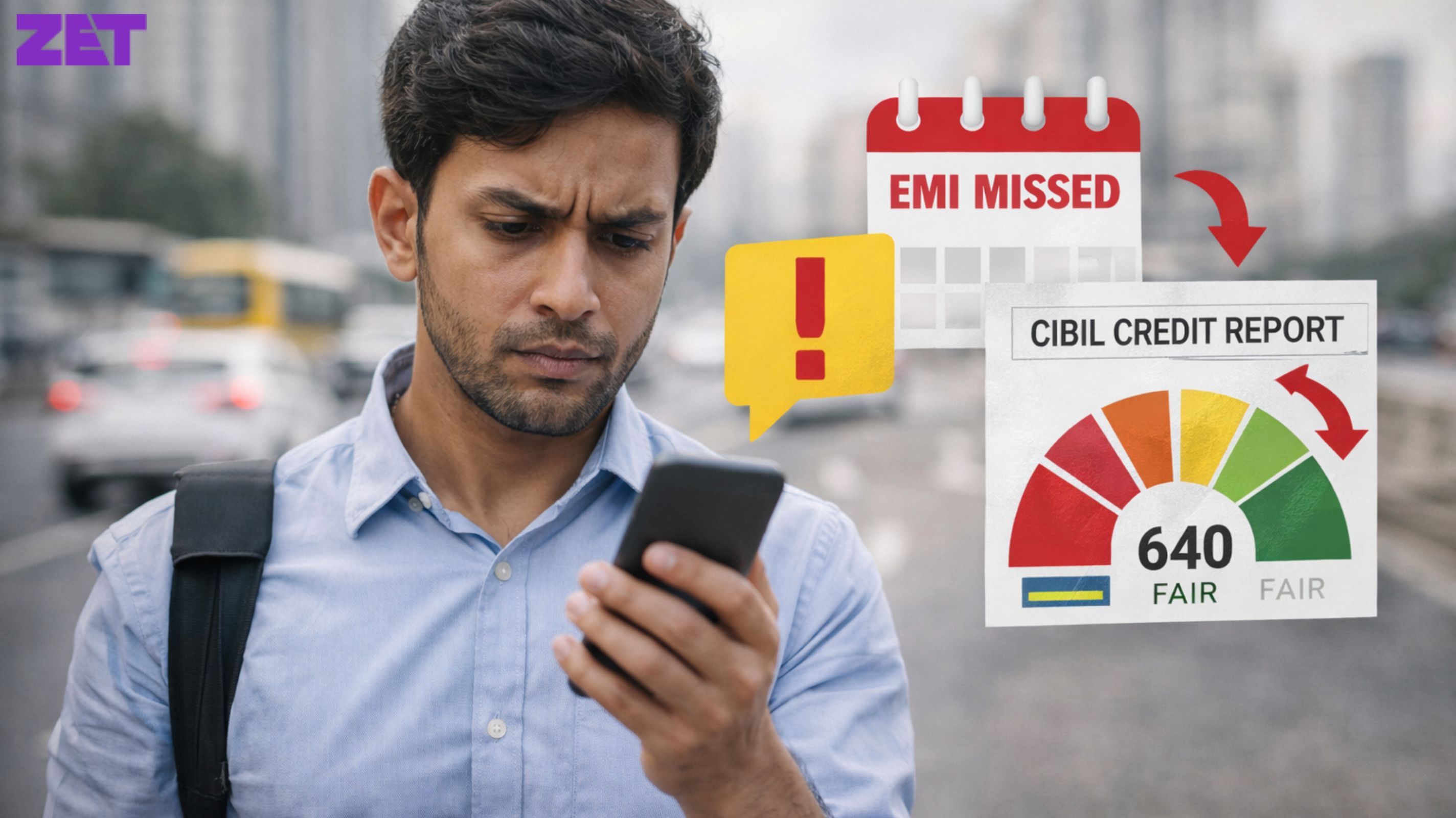
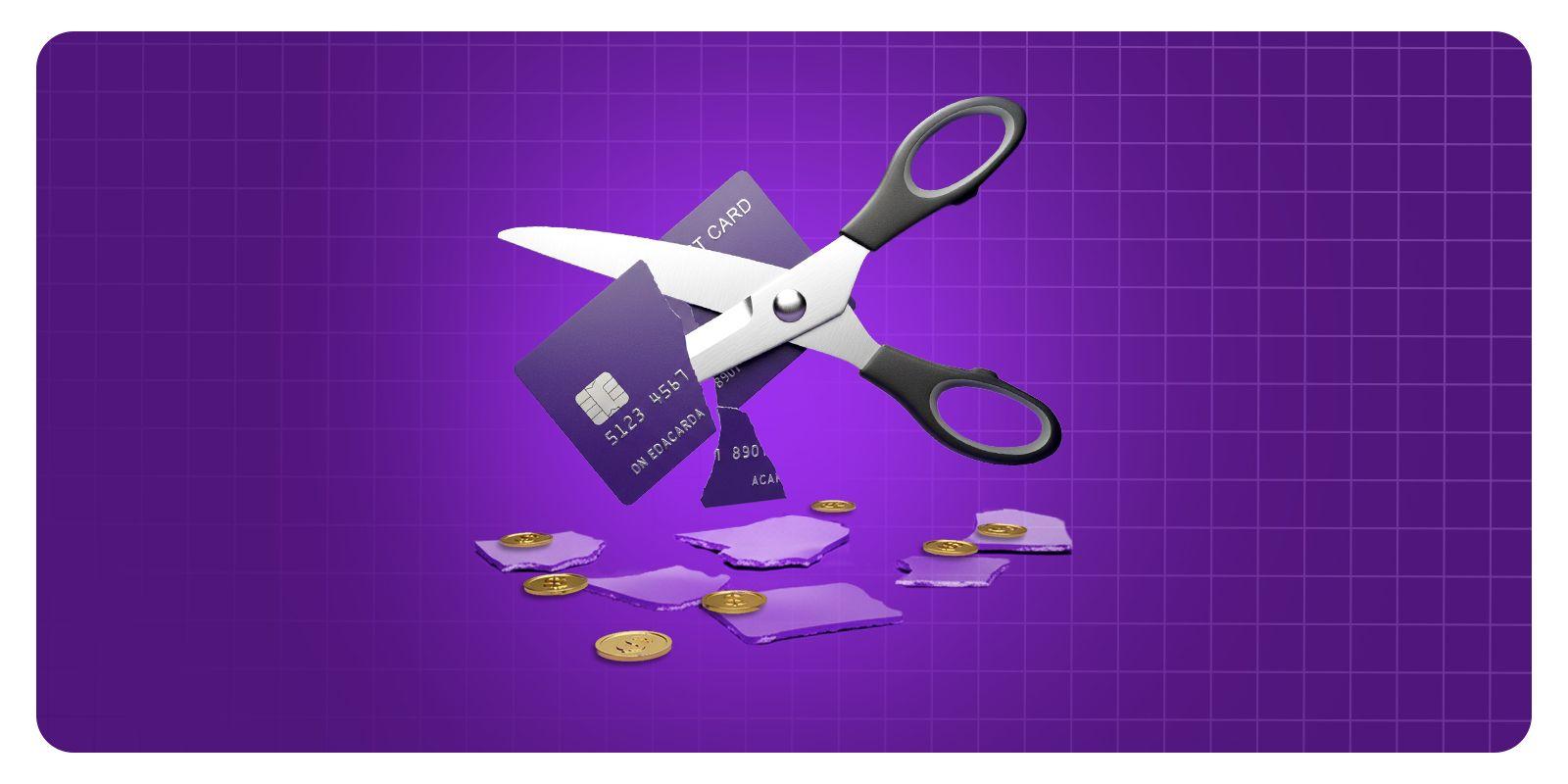
It’s stressful to miss an EMI since you might tense up about its impact on your credit score. In India, repayment behaviour is a huge component of your credit worthiness — even one missed EMI can make a difference. But how much and for how long it affects you depends a couple of factors, including how quickly you rectify the late payment and your overall credit history.
Understanding precisely how long a missed EMI affects your credit score can help you take swift action and protect your future borrowing capacity.

Your credit score is a reflection of your repayment behaviour and financial discipline. Credit bureaus such as TransUnion CIBIL track your loan EMIs, credit card utilization and payments. If you miss an EMI, the lender reports the credit bureau who can downgrade your score.
One missed EMI can dent your score — depending on your credit profile. If you formerly had a good repayment history, it may be fair. But if your credit history has late payments or high balances already, then the effect can be higher.
It also varies on how overdue! And though a few days late might not be recorded, anything more than 30 days late is recorded on your credit report as such.
Also Read: What Is GSTIN? Format, Structure, and Meaning Explained
And an EMI slip-up can haunt your credit report for centuries. In general, late payments stay on your credit report for seven years. It’s during this period that lenders reviewing your credit file will note the missed payment when they view your loan applications.
But the effect of the missed EMI on your credit score reduces over time. The damage is the most severe in the initial months post the missed payment. As you age in the account and continue making timely payments and being responsible with your credit, it’s less of an effect on your score.
Also Read: Documents Required for GST Registration for Different Business Types
Missing an EMI once won’t ruin your credit score, but its effect depends on how you behave pre/post miss. Long-term, on-time borrowers may experience only a short-term drop in credit score.
However, if the missed EMI causes successive delays or remains unpaid for a longer period, things can become more serious. A few missed payments, defaults or non-performing accounts can all send your score tumbling and crystalize the road to further borrowing.
The critical factor is how quickly you repair it and return to on-time payments.
Also Read: What Is UPI 123Pay and How to Use It Without Internet?
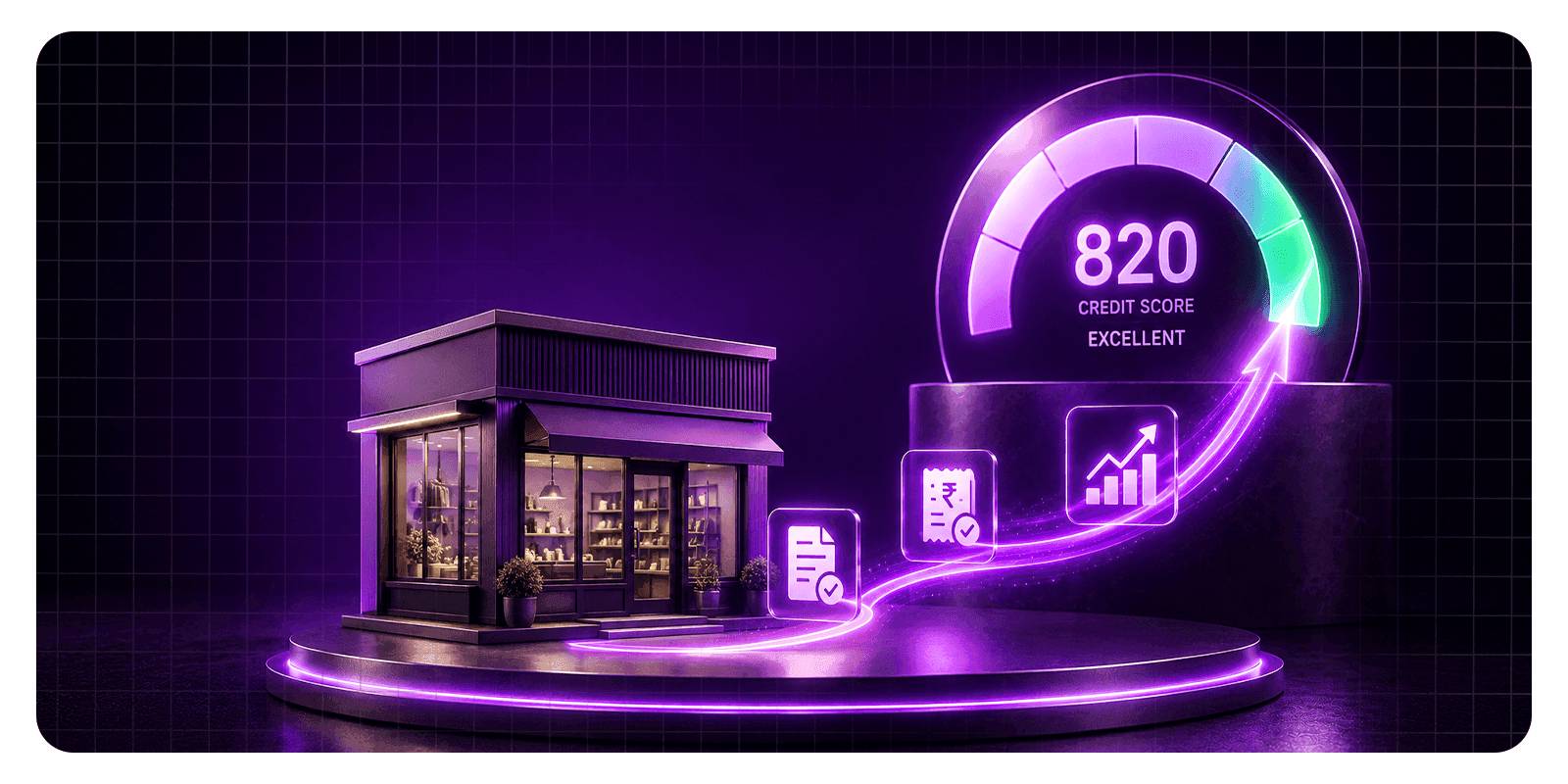
Credit score recovery is how fast you clear the past due balance, and stay current on payments thereafter. If the skipped EMI is paid, your account is current and your credit score may claw its way back in the ensuing months.
Regular payments, decreased credit utilisation and fiscal responsibility start to fix your credit portfolio. In certain instances, borrowers can begin to experience recovery after only six to twelve months of delayed repayment behaviors, however it can take much longer depending on the severity of the delay.
Be sure to keep a clean repayment record to demonstrate to future lenders your financial responsibility!
Even a single missed EMI can dent your credit score and linger on your credit report for years. The impact is strongest right after the late payment but diminishes as you remain punctual. While one missed EMI won’t make you a bad credit risk forever, recurring lateness or long term default can go a long way in influencing future lending decisions.
If you miss an EMI, your credit report may not show a late payment for several days. But lenders typically report late payments to credit bureaus after 30 days of non-payment and this will damage your score.
The effect of an EMI miss on your CIBIL score varies depending upon your credit history and behavior. Those with good credit will probably be affected less than a late payer.
Yes. If you satisfy a defaulted payment in full, your score will recover slowly as you keep paying promptly.



Contact

care@zetapp.in
Social


Build and Maintain a 750+ Credit Score