November 19, 2025 · 13 mins read
Santosh Kumar

Have you ever had a loan rejection because your CIBIL score was too low? Envision applying for a credit card or home loan and getting turned away — not because you need to pay, but because your score doesn't demonstrate certainty. For many Indians, a CIBIL score of 400 feels like a financial detour. But the great news is — it’s not lasting. With the right propensities and discipline, you can steadily change your score from destitute to excellent.

So, if you’ve been wondering how to increase your CIBIL score from 400 to 750, this point-by-point guide will show you precisely how. Whether you’ve confronted defaults, made late payments, or just begun your credit journey, there are practical steps to modify your credit profile. From understanding what impacts your score to learning the control of secured cards like the ZET Credit Card, this is your step-by-step blueprint to superior financial health.
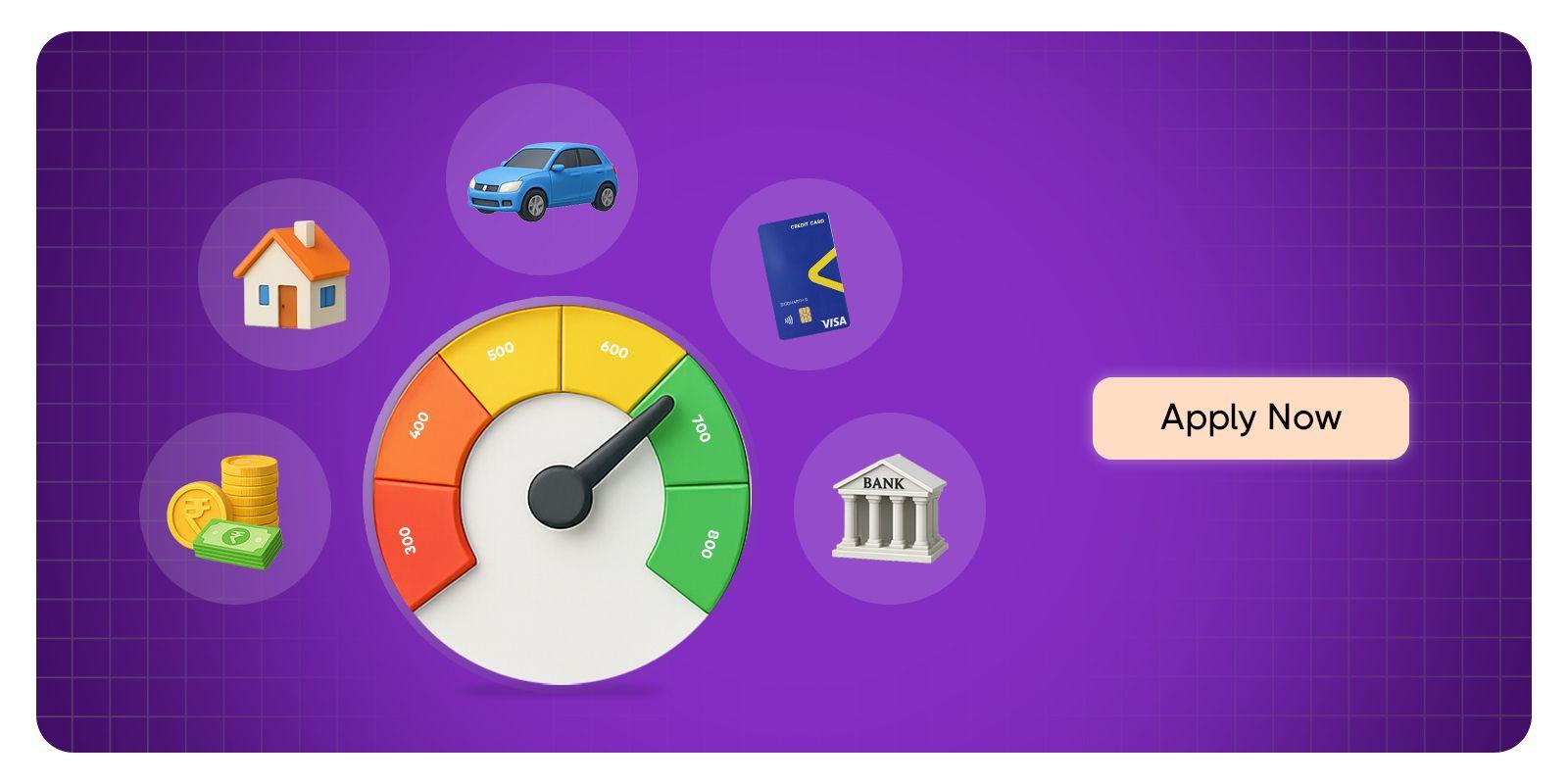
Your CIBIL score, issued by TransUnion CIBIL, ranges between 300 and 900. A score of 750 or over is considered great and shows capable credit behaviour. On the other hand, a score of 400 falls beneath the “poor” run, frequently flagging deferred payments, high credit use, or defaulted loans.
The score depends on a few parameters:
1: Payment history (35%)
2: Credit utilisation ratio (30%)
3: Credit age (15%)
4: Credit mix (10%)
5: Recent credit enquiries (10%)
Also Read: Best Credit Cards for Shopping at Amazon & Flipkart
The first and most crucial step in revamping your CIBIL score is to review your credit report. Many individuals ignore this, but it's the establishment of your whole credit repair journey. Visit the official CIBIL site or approved stages that offer free yearly reports. Go through each area carefully — particularly the account rundown, extraordinary equalisations, and payment history.
Late or missed payments are the greatest reason individuals struggle to boost their CIBIL scores. Each EMI, credit card charge, or loan reimbursement that’s deferred gets recorded in your report and brings down your score. Even a single missed payment can drag down your CIBIL score drastically.
Set up auto-debit offices or payment updates through your bank to guarantee you never miss due dates. If you’ve had defaults in the past, don't freeze — just begin once again. Reliable on-time payments for six months or more can begin with an obvious enhancement.
Many individuals don’t figure out that overusing their credit cards can harm their CIBIL score, even if they pay bills on time. A high credit utilisation ratio (CUR) — regularly over 30% — signals financial stretch to loan specialists. Suppose you have a card with a ₹1,00,000 limit. In a perfect world, you ought not to spend more than ₹30,000 a month on that card.
To lower your utilisation, you can either ask for a limit increase or disperse your investing over different cards. Reducing your utilisation underneath 30% of the available limit can have a critical positive effect. This little alteration is a major step in how to increase CIBIL score from 400 to 750 proficiently and sustainably.
Also Read: Rent Payment Through Credit Card Without Charges
When you apply for many credit items in a brief period, each application results in a difficult inquiry on your report. Too many of these in a brief time allotment can make you seem credit-hungry, decreasing your score. Banks might accept that you are under financial stress or battling with repayments.
Instead of applying to many banks at the same time, investigate and target one bank you are most likely to be approved for. Dependable application behaviour keeps your score healthy.
If you’ve defaulted in the past and selected for "loan settlements," this may be a major reason your score is stuck around 400. A "settled" status in your report tells loan specialists that you didn't reimburse the full amount, which harms your credibility. To settle this, reach out to the bank and ask to reimburse the remaining balance to stamp the account as "closed." Once the moneylender upgrades your record, your score will gradually improve. Clearing old Dues and appearing in a "closed" status gives a strong impression of financial debt, which is key to increasing CIBIL score from 400 to 750.
Also Read: What is Virtual Credit Cards & Physical Cards
A great balance between secured loans (like home or auto loans) and unsecured loans (like individual loans or credit cards) makes a difference in keeping up a strong CIBIL score. Having only one sort of credit can be risky. Banks favour seeing that you can oversee both types responsibly.
If your credit history consists only of unsecured loans, you can improve it by including a secured credit. Then again, if you only have secured credit, dependably utilising a little credit card can include differences.
Many individuals near old credit cards consider that it will help to streamline finances. Be that as it may, this can really harm your CIBIL score. More seasoned accounts contribute to your credit history's length, and a longer credit history fortifies your creditworthiness. If an old account has no yearly charge, keep it active by utilising it once in a while for small purchases. This straightforward act includes strength to your credit profile. It's one of those lesser-known tips that can make a huge difference when figuring out how to increase CIBIL score from 400 to 750.
Also Read: Low Interest Credit Cards in India: Best Options
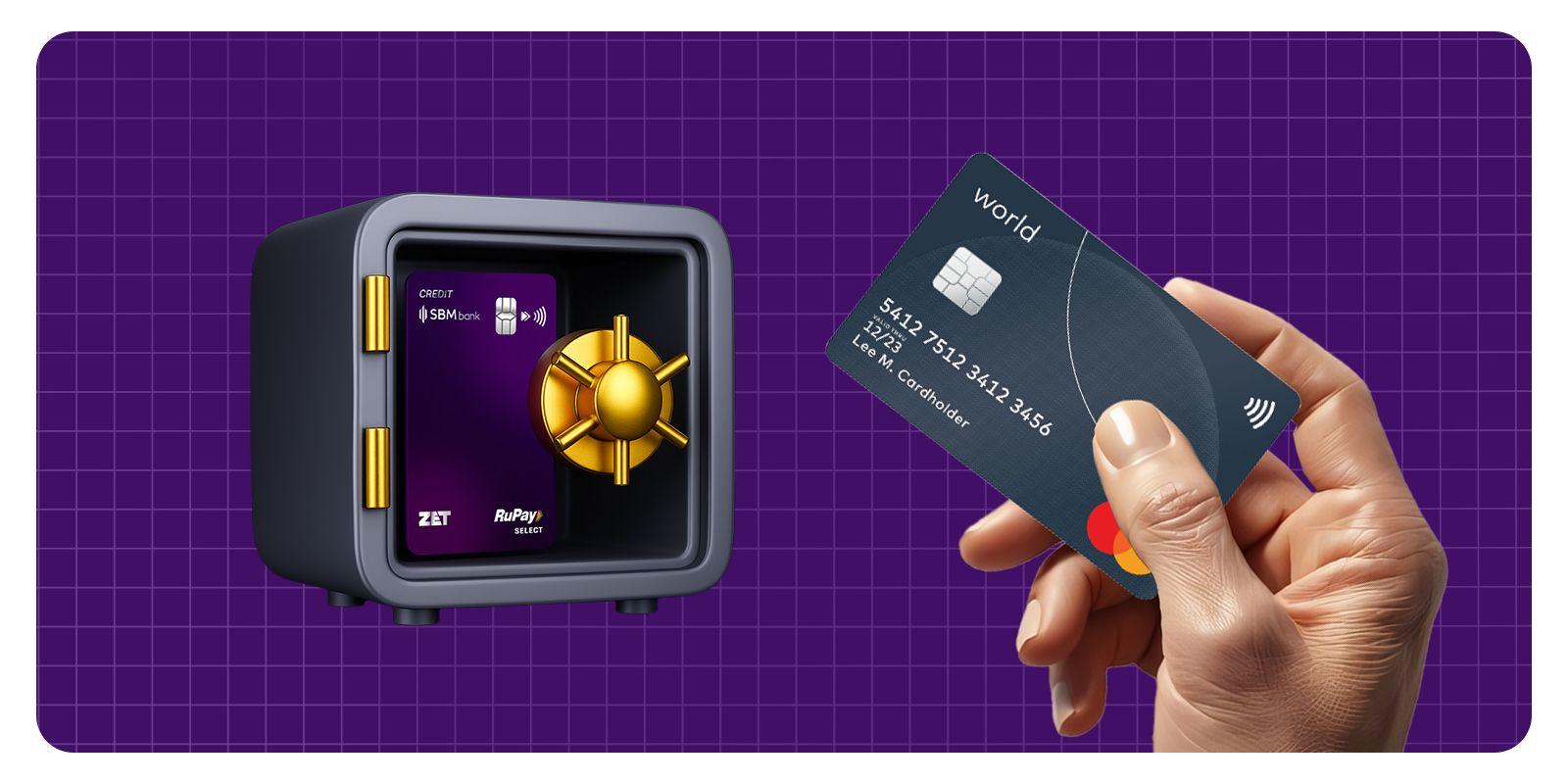
If you've struggled with poor credit or have been rejected for unsecured cards, a secured credit card is your best option for revamping your credit. And among the best alternatives in India is the ZET Credit Card.
The ZET Credit Card is designed for people who are either new to credit or have low scores, making it perfect for those learning how to increase their CIBIL score from 400 to 750. It's sponsored by a fixed deposit (FD), meaning you can get a credit limit of 75–85% of your deposit amount. For example, if you make a ₹10,000 FD, your ZET card might offer you a ₹7,500–₹8,500 limit.
The advantage here is twofold:
1: You build a positive reimbursement history as you utilise and reimburse on time.
2: You decrease risk for banks, since the FD acts as collateral.
Sometimes, individuals co-sign loans or become joint account holders to help companions or family members. Whereas this is liberal, it comes with dangers. If the
essential borrower defaults or delays payments, it impacts your credit report, too. You share the rise to responsibility.
If you currently have such credits, make sure payments are on track. Routinely screen your shared accounts and keep up communication with the co-borrower. Ensuring your credit record from others’ botches is an often-ignored portion of how to increase CIBIL score from 400 to 750 effectively.
Also Read: Which Credit Card Offers Fuel Cashback in India?
Many individuals have different cards but tend to abuse one and take off others, sitting still. This creates an imbalance. Convey your investing similarly to keep up a normal use of under 30% per card. Banks see this as a sign of balanced financial management. If one card's limit is completely utilised, whereas others stay unused, your score might still drop, as the framework assesses both people and adds up to use ratios. Checking your utilisation carefully over cards will guarantee your loan remains steady.
Even if your pay is high, borrowing too much relative to it can make you appear fiscally focused. In a perfect world, your add up to month-to-month EMIs ought not to surpass 40% of your wage. This ratio guarantees moneylenders that you can oversee payments comfortably.
Maintaining a balanced debt-to-income ratio bolsters speedier score recuperation. It also increases your qualification for future credit cards, home loans, or car loans once your CIBIL score crosses 700.
Also Read: Top Credit Cards for International Travel in 2025
One of the best ways to keep your credit score high is by making sure that you are paying your whole Equated Monthly Instalment (EMI) on time every month. EMIs are monthly fixed amounts that you pay to a lender (such as a bank) for borrowed funds (like personal, home, and auto loans). How you repay is one of the largest factors in how a lender/rating agency assesses you when they assign you a credit rating, and therefore paying your EMIs on time regularly will help demonstrate that you have financial discipline and responsibility, thus giving you a better rating.
When you do not make an EMI payment on time or miss an EMI payment altogether, the lender will notify the major credit agencies (like TransUnion CIBIL) of this non-payment/missed payment and these agencies will negatively impact your credit rating. Simply missing one of your EMIs can cause your credit rating to drop significantly, and will remain on your credit report for a long time. Conversely, regularly making full EMI payments will create a positive repayment record and will slowly but surely improve your credit stature.
It is advisable to set reminders or automatic payments to help ensure that you do not miss an EMI payment. If you only make partial payments or you are sometimes late with the payments, you will be subject to penalties, additional interest charges, and a reduction in your credit rating. Therefore, if you want to maintain your financial stability and improve your overall credit health, it is critical to make your scheduled payments in full and on time every month.
Debt management through collecting payment amount due on credit cards using personal loans is one of the best methods to improve credit ratings when amounts owed on credit cards are substantial. Because of the typical high-interest rates associated with credit cards, transferring the outstanding balances on all three cards to a new personal loan at a lower interest rate can help reduce the amount of interest being paid and make it easier to repay the debt.
When you pay off your credit card, your credit score, is a function of the amount owed relative to the available credit limit, and your credit utilization ratio goes down; therefore, all lenders will use this information as an indicated that they can lend you more money in the future as you are demonstrating responsible use of credit. Lenders will be able to determine the size of the loan for which you qualify through credit scoring or some other method.
Using a personal loan to consolidate credit card payments is not always a good idea; the key is to use a personal loan to pay off your credit card only if you are disciplined enough to avoid charging on your credit card after being given a personal loan, because if you are not disciplined and continue using your credit card you will have more total debt when you start paying off your credit with a personal loan than you had when you initially borrowed the money. If you manage your credit cards properly and pay off your personal loan as agreed you will have improved your credit profile.
Increasing your credit score takes time; It involves continuous financial discipline and responsible use of Credit. The amount of time it takes to improve your credit score depends on: Your Existing credit profile; Your repayment history; The actions you take to address past financial mistakes; Typical noticeable credit score improvement takes 3-12 months.
If The only reason your credit score has declined is for something relatively minor like a few late payments or excessive use of available credit, you will likely notice an increase in your credit score within a few months after resolving these issues and making timely payments. On the other hand, If your credit score has declined due to major negative items such as defaulting on a loan, settling with a creditor or making multiple missed payments, it will likely take longer than a few months to improve your credit score and possibly upwards of a year of maintaining responsible credit use.
You can speed up the process of improving your credit score by routinely reviewing your credit report, paying down outstanding debts, keeping your available credit utilization percentage low, and not applying for several different loans at once. Building a strong credit history takes time and consistency. Still, being responsible with how you handle your finances will eventually improve your credit score and give you better access to more favorable credit options.
It ordinarily takes 6 to 12 months of reliable, limited credit behaviour to raise your CIBIL score from 400 to 750. Be that as it may, the correct timeline depends on your past defaults and reimbursement history.
Yes. You can utilise secured credit cards like the ZET Credit Card or oversee existing credit cards dependably to build a positive history without using unused credit.
Partially. A “settled” status still shows fragmented reimbursement. Instead, pay the remaining balance and ask the loan specialist to check the account as “closed” for way better improvement.
Yes, it can. Since it's supported by a fixed deposit, it diminishes the loan specialist's risk. Customarily, on-time payments utilising the ZET Credit Card can altogether boost your score within months.
No. A self-check is considered a delicate request and does not affect your score. Only lender-initiated difficult requests influence your credit score.



Contact

care@zetapp.in
Social


Build and Maintain a 750+ Credit Score