February 26, 2026 · 7 mins read
Santosh Kumar
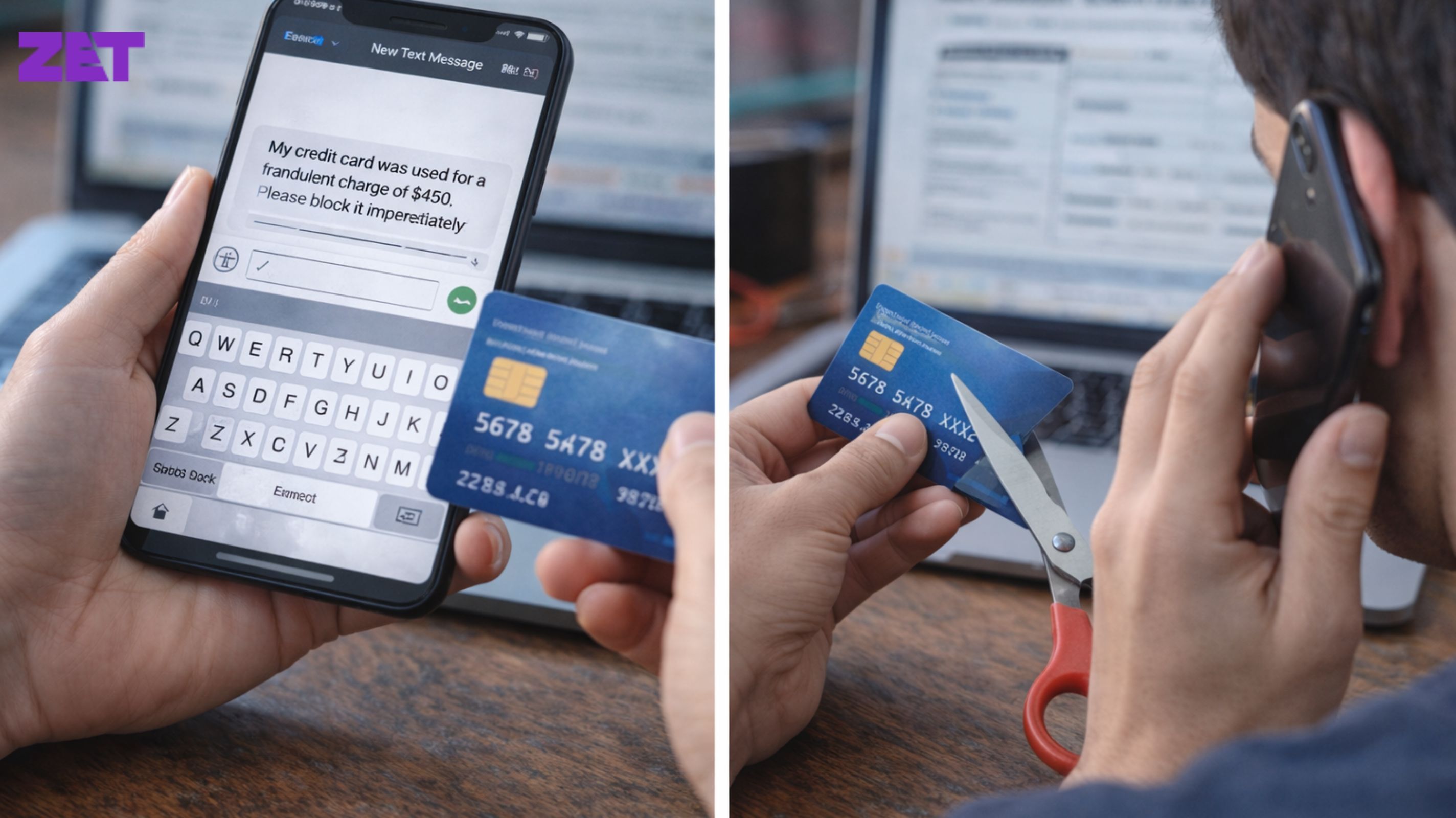
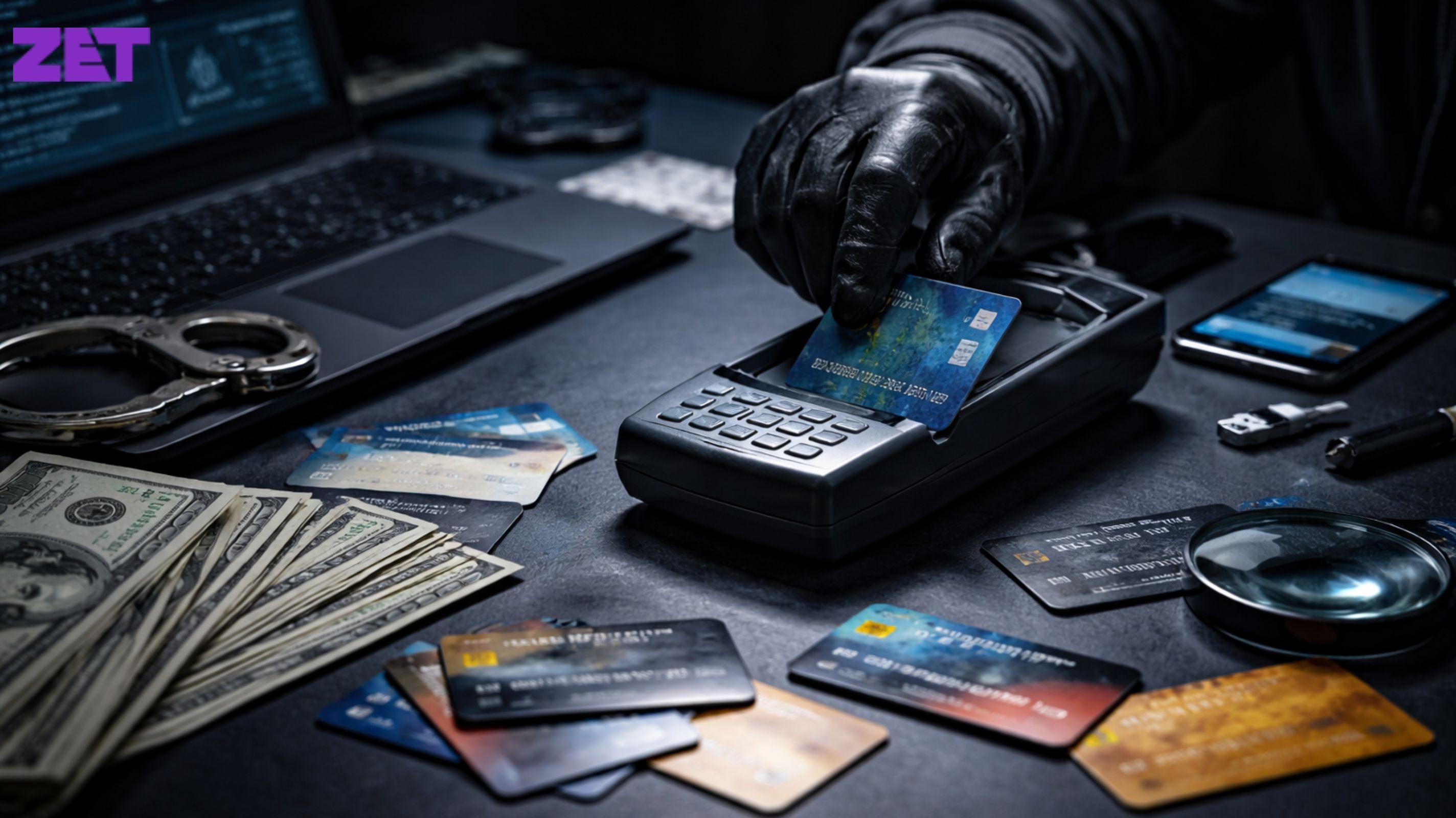
It can be stressful and alarming to find an unauthorised transaction on your credit card. Be it a minuscule unauthorized charge or a massive questionable transaction, credit card fraud demands urgent attention. And acting quickly can help minimise financial loss, protect your personal information and restore your ability to recover your money.

As digital payments have taken off in India, so too have credit card fraud cases. Banks adhere to consumer protection directives from the Reserve Bank of India, which offer protections for consumers reporting fraudulent transactions in a timely manner. But your reaction in those initial hours is essential in restricting damage.
The initial step is to check your credit card statement or transaction alert to verify that the charge is indeed unauthorised. And while it’s mostly accurate, sometimes transactions can be unrecognizable because of different merchant names, delayed billing, or a subscription you forgot.
Verify the amount, the location, the date and the merchant information. Check if it was a family member or an auto-pay. If you are confident that the transaction was not authorised, treat it as fraud and act accordingly.
Almost all banks now push real-time SMS/app notifications for card transactions. Keeping an eye on these notifications helps you spot strange behavior fast.

After you verify it’s scammy, you want to block or freeze your credit card. This stops additional unauthorised transactions and safeguards your credit limit. Most banks and allow you to block cards instantly on the mobile banking app or internet banking or by calling a customer care helpline. A lot of banking apps also provide a ‘temporary freeze’ option that turns off transactions, without deactivating the card.
By blocking your card immediately, you minimise the chances of repeated misuse – in instances of stolen card details or a breach.
Also Read: Can Students Get a ₹2,000 FD Credit Card? A Complete Guide
After blocking the card, report the fraudulent transaction to your bank right away. Reach out to customer service via an official channel — the bank’s helpline, email, or app.
Give us full information on the suspicious transaction such as amount, date, and merchant. The bank will file a claim, conduct an investigation, possibly even temporarily reverse the transaction while the review is ongoing.
As per the banking guidelines in India, customers reporting fraud within the timeline may have a limited or zero liability for the unauthorised transactions, based on the fact situation. Early reporting bolsters your case and increases the chances of resolution.
Also Read: ₹2,000 FD Credit Card Limit: How Much Limit Can You Get?
Credit card fraud can be a result of leaked personal data, phishing, or theft. Once you’ve reported the fraud, change your account passwords, card PIN and online banking credentials.
Make hard-to-guess passwords with letters, numbers, and special characters. Don’t use stuff like birth dates or phone numbers.
If you used your card on other sites, update stored card data and account security measures on those sites.
Also Read: Best Credit Cards In India You Can Get On A ₹2,000 FD (2026 List)
Even after you’ve reported the fraud and your bank has blocked your card, keep a close watch on your bank account and credit card statements.
Fraudsters might also try additional transactions using stored card details or linked accounts.
Keeping an eye out on a regular basis helps you identify anything that looks suspicious at an early stage and make your report in a timely manner. Check your transaction history regularly for the next few weeks.
You can also activate transaction alerts on all card activity to be notified of any future transactions.
Also Read: How to Create a UPI QR Code for Your Shop or Business?
Banks have a nice formal dispute resolution process for fraud. Once you’ve reported the fraud, they may also ask you to file a written complaint or complete a dispute form.
The bank researches the claim by looking at transaction records, authentication, and merchant info. If the inquiry validates unauthorized use, it can be credited or otherwise refunded.
Keep a record of your communication with the bank – complaint reference numbers, emails and acknowledgements – as such documentation can trace the resolution process.
Also Read: Documents Required for GST Registration for Different Business Types
If it’s a more serious case, such as major financial loss or identity theft, then you should report it to cybercrime authorities. Online financial fraud can be reported by customers in India through the national cybercrime reporting system or local law enforcement.
If the fraud pertains to digital payments or UPI-linked credit card transactions, complaints can also be traced via the grievance redressal portal of the National Payments Corporation of India.
Reporting fraud to authorities does not only fortify your own case, but also aids in preventing these crimes.
Also Read: GST for E-Commerce Sellers: Rules & Compliance Checklist
Credit card fraud can even verge on identity theft, with fraudsters using a victim’s personally identifiable information to open new credit accounts. To be certain, check your credit report for new accounts or enquiries you don’t recognize.
It can also help you spot misuse of your personal information and avoid the long-term financial damage it can cause. If you observe suspicious credit, report it to the credit bureau and the involved financial institution immediately.
And once you block your compromised card, the bank typically replaces your credit card with a new number and security features. Only activate the new card once you have received it in a safe place and confirmed that all the information is correct.
Don’t propagate your new card details or update it on unscrupulous payment sites.
Also Read: Credit Card Cash Advance
Customer responsibility for fraudulent charges varies, based on when they were reported and the type of fraud. Where the fraud is on account of negligence such as sharing card details or OTP, the liability might be greater.
But if the fraud is due to system breaches or unauthorised access and is reported quickly, customers might not have to eat the loss. Having a knowledge of your rights under banking regulations allows you to answer with confidence during dispute resolution.
The first thing you need to do is to block (or freeze) your card, and notify your bank (through proper channels) about the suspected fraudulent charge.
If you notify your bank of possible fraud within an appropriate time frame and after the investigation confirms the unauthorized use of your card number, your bank may reimburse you or reverse the charge to conform with regulatory guidelines.
The sooner you contact your bank regarding possible fraud, the better. The recommended time limit is immediately or within 24 to 48 hours. Any delay can increase your liability and/or allow fraud to continue.
Yes. Usage of your card number can be made without actually having the physical card in hand via the internet, through phishing, etc.
Yes. If you feel that you are a victim of Credit Card Fraud, and/or you have suffered a significant financial loss or are a victim of Identity Theft, you should contact the local police department and/or Cyber Crime Division.



Contact

care@zetapp.in
Social


Build and Maintain a 750+ Credit Score